




Loose stool is easy to dismiss until you’re cleaning up another soft, urgent mess by the back door. Probiotics for dogs with loose stools can help, but they won’t fix a gut that’s still being irritated by rushed food changes, rich chews, or too much food.
What matters is the pattern: one off day is different from stools that never quite firm up. Keep the bowl simple, change one thing at a time, and watch what happens for several days.
Here’s what to keep an eye on:
- Stool shape, frequency, and urgency
- Treats and toppers sneaking into the routine
- Red flags like vomiting, blood, or low energy
Why Loose Stools Happen in the First Place
Loose stool is a symptom. That's the first thing to get straight. One messy pickup in the yard does not tell you whether your dog had a minor food wobble or whether the gut has been off balance for a while.
A lot of the usual triggers are pretty recognizable once you stop looking for a magic explanation:
- a sudden food change
- rich treats or table scraps
- stress from travel, boarding, guests, or routine changes
- scavenging outside
- a mild digestive upset
- an ingredient your dog doesn't tolerate well
Some dogs get soft stool after one disruption, then settle right back down. Others keep cycling through "better for a day, worse again by the weekend." That repeating pattern usually tells us more than one bad treat did.
Stool quality also says something about digestion and absorption. If food is moving through too fast or irritating the gut, your dog isn't just leaving a mess behind. They may also be getting less from the food they're eating. That's part of why this matters more than cleanup.
And the gut doesn't work alone. A large share of your dog's immune activity is tied to the gut, so when digestion keeps going sideways, it can point to a system that isn't as steady as it should be.
That's where probiotics can fit. Not as a cure-all. More as one tool for helping the gut settle down, if the rest of the feeding routine stops poking at the problem.
Do Probiotics Help With Loose Stools in Dogs?
Yes, sometimes. Especially when loose stools are tied to digestive imbalance, a sensitive stomach, or disruption from a food change rather than an urgent medical problem.
If you're asking, do probiotics help with loose stools in dogs, you're asking the right first question. The better second question is tougher: what's causing the loose stools, and what keeps irritating the gut?
Probiotics are beneficial microbes meant to support a healthier gut environment. In the right situation, they can help after a digestive wobble, during a transition to a new food, or when your dog tends to swing between normal stools and soft ones for no dramatic reason.
A controlled trial offers a useful reality check. In a randomized, double-blind trial of 60 dogs with acute diarrhea, dogs given a probiotic reached acceptable fecal consistency 1.3 days sooner on average than dogs given placebo. But the difference was not statistically significant, so it is a promising result rather than proof that every probiotic will work for every dog.
| Treatment group | Mean days | Standard deviation |
|---|---|---|
| Probiotic | 3.5 | 2.2 |
| Metronidazole | 4.6 | 2.4 |
| Placebo | 4.8 | 2.9 |
But results vary because loose stools don't all come from the same place. A dog who raided the trash may respond differently than a dog with an ingredient sensitivity. A dog stressed by boarding is different again.
Keep the distinction clear:
Probiotics can support a disrupted gut. They do not fix parasites, infections, blockages, or serious illness.
That line matters. Too many owners keep adding "digestive support" while the real issue keeps going.
What Probiotics Actually Do Inside a Dog’s Gut
Your dog's gut is home to a dense mix of microbes that help break down food, produce useful compounds, and keep the intestinal environment more stable. When that balance gets knocked around, stool quality is often one of the first things to change.
Probiotics are there to support that microbial balance. Not by brute force. More by helping the good side of the system regain some footing after stress, diet disruption, or repeated irritation.
When things improve, you usually don't see fireworks. You see boring wins:
- firmer stools
- less gas
- less urgency
- more predictable digestion day to day
That kind of boring is exactly what most dog owners want.
It's also worth separating a few terms that get blended together. Probiotics are the live beneficial microbes. Prebiotics are fibers that feed those beneficial microbes. Postbiotics are useful byproducts those microbes produce. If a formula includes all three, that can be helpful, but the bigger picture still matters.
A dog eating a food that doesn't sit well, getting random treats, and eating different portions every day can still have a rough time. Probiotics don't override chaos. They work better when the bowl itself is helping.
When Probiotics Are Most Likely to Help
There are a few situations where probiotics for dogs loose stools make practical sense. Not because they're trendy. Because the gut has a decent chance of responding.
They're often worth trying when:
- your dog had a mild dietary indiscretion and stools stayed soft for a bit afterward
- you're doing a gradual food transition
- stress seems to trigger digestive trouble
- your dog has recurring soft stool tied to sensitive digestion
- travel, boarding, or schedule changes tend to throw things off
One common pattern we see is the too-fast food switch. Owners change foods in a day or two, stools loosen, and then everybody blames the new food. Sometimes the problem is the pace, not the food itself. A probiotic may help steady that transition, but only if you slow the whole process down.
They're also more useful when paired with a daily food that is actually digestible for that dog. If stool issues are tied to food quality, harsh processing, or ingredients that never sat right, adding probiotics on top of the same friction usually leads to mixed results.
Support is not permission. If certain treats, chews, or leftovers keep setting your dog off, probiotics won't make those choices harmless.
When Loose Stools Need More Than Gentle Support
Sometimes this is a simple digestive upset. Sometimes it isn't. Knowing when not to self-manage is part of taking good care of the dog in front of you.
Call your veterinarian promptly if loose stools come with any of these:
- repeated vomiting
- lethargy
- blood in the stool
- obvious pain
- refusal to eat
- signs of dehydration
- diarrhea that persists, worsens, or becomes severe quickly
Puppies, senior dogs, and dogs with existing health issues deserve a shorter leash here. They can get into trouble faster, and what looks mild at first can slide.
A sudden bout of severe diarrhea is different from a dog who has soft stools on and off for weeks. Both matter, but they don't point to the same level of urgency.
This is the part many people resist: don't try to cover ongoing symptoms with supplements alone. If the pattern doesn't fit "minor digestive bump," get it checked. A clean-looking probiotic label is not a diagnosis.

How to Choose Probiotics for Dogs Loose Stools
Shopping this category can get messy fast. Big claims, vague labels, lots of wellness language. We'd keep it simpler than that.
Look for probiotics for dogs loose stools with a clear digestive purpose. Not a product trying to be everything at once. You also want something made for dogs, not a human probiotic casually repurposed for the food bowl.
A better way to judge fit:
A simple evaluation sequence
- Define the goal
Match the product to the problem. Digestive support is the goal, not generalized wellness.
- Change one thing
Introduce one meaningful change at a time.
- Monitor response
Watch your dog, not the marketing.
- Allow time
Give it enough time to show a pattern.
More isn't always better. More strains, more extras, more rotating products can just muddy the picture. We prefer a clean trial mindset. Add the probiotic. Keep meals steady. Track the response.
And don't ignore the bigger diet picture. A probiotic usually works better when your dog's daily food is easy to digest and consistent in ingredients. If the base diet keeps irritating the gut, the supplement is doing repair work while the bowl keeps undoing it.
How to Start Probiotics Without Upsetting the Gut Further
A common mistake is introducing a probiotic the same day you change food, add new treats, and decide to "clean up the diet." It sounds responsible. In practice, it makes the results impossible to read.
Start gradually. Keep the rest of the routine quiet for a bit.
During the trial period, we'd keep an eye on:
- stool shape and firmness
- bowel movement frequency
- gas
- appetite
- energy
You don't need a spreadsheet, but a few notes over several days can save a lot of guessing. By day three or four, patterns often start to show. Or they don't, which is useful too.
Routine helps more than people think. Feed at steady times. Measure portions. Keep water available. If you're transitioning foods, go slowly enough that the gut isn't taking hits from two directions.
Short version: don't test a probiotic in the middle of total feeding chaos.
Why Food Often Matters More Than the Supplement
Here's our bias, and we think it's the right one: the everyday bowl usually matters more than the add-on.
Probiotics can help, but they do their best work when food stops making the gut work so hard. Dogs with recurring loose stools often do better on meals that are easier to digest, built from recognizable ingredients, and fed with some consistency. That sounds obvious, but it's the part people keep skipping.
We use cold-pressed food for a reason. It's made at lower temperatures than standard kibble, which helps preserve more of the nutrients that high heat can damage. The goal isn't novelty. It's gentler digestion and better use of what's in the bowl.
Our Dog Food for Soft Stool approach is built around that idea. Real meat, fruits and vegetables, plus prebiotics, probiotics, and natural fibers aimed at digestive support and stool quality. Not because one ingredient is magical. Because reducing digestive friction meal after meal tends to work better than chasing the next quick fix.
If you're a food-first owner, that usually feels more honest anyway.

What to Feed a Dog With Loose Stools While You Support the Gut
When stools are loose, consistency beats creativity. This is not the week for extra toppers, rich chews, and a handful of "just a little" treats from three family members.
Stick with a food your dog tolerates well and stay with it long enough to judge it fairly. Protein choice matters here. If your dog tends to do better on lamb, don't second-guess that because another formula sounds more exciting.
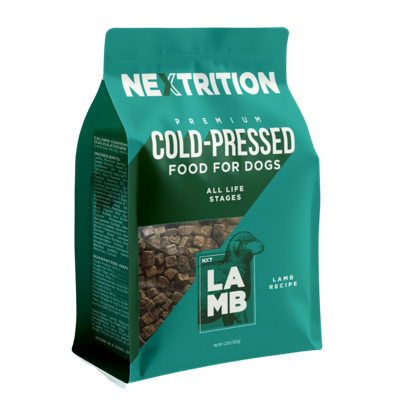
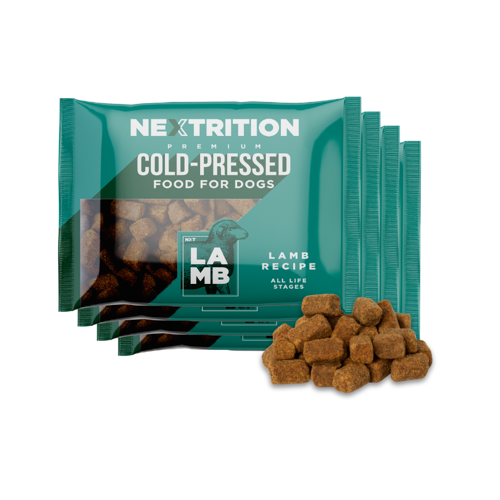
For dogs whose owners want a lamb based daily food with digestive support in mind, our All-Natural Lamb Recipe is a sensible fit. It's a cold-pressed recipe with real lamb as the number one ingredient, and it's positioned for easier digestion and sensitive stomach support. If you're cautious about transitions, the Lamb Recipe Trial Pack is a practical place to start before committing to a larger bag.
A few feeding rules matter more than brand hopping:
- keep meals simple
- keep the protein steady
- keep treats limited
- give the plan enough time
Stability is doing real work here, even when it feels uneventful.
Common Mistakes That Keep Stools Loose
Most recurring soft stool cases aren't caused by one giant mistake. It's usually a stack of smaller ones.
The usual offenders look like this:
- switching foods too quickly, then deciding the food "didn't work"
- adding probiotics while still giving rich treats, leftovers, and extras
- changing too many variables at once
- expecting overnight improvement from a gut issue that's been brewing for weeks
- overfeeding, which can soften stools all by itself
- restarting the whole feeding plan every time one bad bowel movement happens
That last one gets people. One loose stool on Tuesday doesn't always mean the entire plan failed. Sometimes the plan is fine and the dog found something weird in the yard. You need enough consistency to tell the difference.
Gut support falls apart when the rules change every 48 hours.
How Long It Takes to See Improvement
Mild digestive upset can improve fairly quickly. Long-standing stool inconsistency usually takes longer. That's not exciting, but it's honest.
Look for trends across several days, not one decent bowel movement. Better stool shape, less urgency, fewer swings between normal and mushy, more predictability. That's progress.
If stools get worse after introducing a new food, treat, or supplement, reassess that change instead of piling on another one. More intervention isn't always smarter.
The gut usually rewards repetition, not constant adjustment.
If you're doing things right, improvement often looks gradual and a little boring. If nothing improves, or symptoms escalate, it's time to move from at-home support to veterinary guidance.
Questions Dog Owners Often Have About Probiotics and Loose Stools
These questions come up all the time, and the answers are usually less dramatic than people expect.
Can probiotics help during a food transition?
Yes, they may help support the gut during a gradual transition. Gradual is the word doing the heavy lifting there. If you switch too fast, even a good probiotic may not save the process.
Are probiotics enough on their own?
Often not. They tend to work better as part of a broader digestive-support plan that includes digestible food, controlled treats, consistent portions, and a steady routine.
Should you keep giving probiotics after stools improve?
It depends on why the stools were loose in the first place. If the issue was temporary and the daily diet now supports a better baseline, you may not need the same level of support going forward. If your dog is consistently sensitive, some ongoing support may make sense.
Can treats affect the outcome?
Absolutely. Even small extras can keep stool quality unstable. A probiotic can't do clean-up duty for a treat drawer that's working against you.
Is a personalized feeding plan useful?
Yes, especially for dogs who are easy to overfeed or who do better with a more precise routine. A tailored feeding plan helps you avoid the quiet mistakes, too much food, too many changes, too little consistency, that often keep loose stools hanging around.
Conclusion
Loose stools are common, but they are also useful feedback. Your dog's gut is telling you something about what it's handling well and what it isn't.
Probiotics can help some dogs, especially when digestive imbalance is part of the issue. But they work best alongside a consistent, digestible daily diet that gives the gut fewer reasons to stay irritated.
If stools keep coming back loose, simplify the bowl. Make one thoughtful change at a time. Watch for steady improvement instead of chasing fast fixes.
And if your dog's digestion needs more than a temporary patch, a food-first approach usually makes more sense than trying to supplement your way out of a feeding problem.
Article Record
ReferencesPrimary sources used for this article
- A Randomized Double Blinded Placebo-Controlled Clinical Trial of a Probiotic or Metronidazole for Acute Canine Diarrhea
- Evaluation of publication bias in the assessment of probiotic treatment for gastrointestinal disease in dogs and cats
- Effect of a feed supplement containing probiotics on fecal score and clinical parameters in dogs with chronic kidney disease and intestinal disorders: A pilot study
- A new highly digestible prescription diet containing Bacillus velezensis DSM 15544, fructo-oligosaccharides, plasma immunoglobulin, yeast and sepiolite for the management of acute diarrhea in dogs—a randomized double-blinded, controlled trial
- Ask your veterinarian if Proviable
- Pro-Pectalin Chewable Tablets for Dogs & Cats – Vetoquinol Pets USA
- Pet Protect™ Digestive Health Soft Chews With Vet-Formulated Lactoquil
- Probiotic Plus for Dogs | Dorwest Herbs
Update HistoryMeaningful revisions to this article


Loose stools in dogs: food is often blamed first, and sometimes it is the problem. But frantic food-switching can keep a sensitive gut unsettled (and make the mess harder to trace).
What matters is the pattern: timing, portions, treats, protein, and how quickly anything changed. A good food audit gives you cleaner answers before you buy another bag.
Start by watching for:
- Soft stool after a new topper, chew, or richer training day
- Meals measured by cup, not guesswork
- Vomiting, blood, or lethargy that needs a vet—not another food swap
Why Stool Quality Matters More Than Most Dog Owners Realize
Loose stool is easy to dismiss as a cleanup issue. It isn't. Stool is one of the few daily signals your dog gives you about how well their digestive system is actually handling what goes in the bowl.
Healthy stool is usually formed, easy to pick up, and pretty consistent from one day to the next. Not perfect every single time. Just stable enough that you don't find yourself squinting at the grass every morning wondering what changed now.
When stools stay soft, sloppy, urgent, or unpredictable, that tells us something upstream isn't working well. Digestion may be inefficient. Nutrients may not be absorbed as cleanly as they should be. The gut lining may be irritated. Your dog may simply be uncomfortable in ways that don't look dramatic but still matter.
And gut health doesn't stay in the gut. A large share of immune activity is tied to the digestive tract, which is one reason recurring stool problems deserve more respect than they usually get.
A lot of owners quietly spiral here. They feel guilty, switch foods too fast, add pumpkin, cut treats, add treats back, try a topper, then blame themselves when none of it sticks. We've seen that pattern plenty. Random changes can turn a solvable feeding problem into a moving target.
Bad stool is often less about mess and more about mismatch.
Can Dog Food Cause Loose Stools?
Yes, dog food can cause loose stools. But it isn't the only cause, and that's where people get tripped up.
The food itself matters, of course. So does how quickly it was introduced, how much is being fed, what else gets added on top, and whether your dog actually tolerates that recipe well. A food can look great on paper and still not sit right with your dog.
That's the uncomfortable truth. Quality matters, but compatibility matters too.
A one time upset after your dog stole something greasy off the counter is different from a pattern that keeps showing up after meals, recipe changes, richer treats, or certain proteins. If the same problem keeps circling back, the question isn't just "is food to blame?" It's more specific than that:
- Is the protein the issue?
- Is the food too rich?
- Was the switch too fast?
- Is the portion too large?
- Are treats muddying the picture?
- Is the food harder to digest than it should be?
That's a much better frame for loose stools in dogs food concerns, because it gets you closer to something you can actually test.

How to Tell if Food Is the Most Likely Trigger
Start with timing. Timing saves people a lot of guessing.
If the loose stool began right after switching foods, adding a topper, changing proteins, increasing treats, or handing out more extras than usual, food jumps higher on the suspect list. That doesn't prove the main meal is bad. It just means the feeding routine changed, and the gut noticed.
Sudden food changes are one of the most common and most preventable causes. Dogs don't just digest the food itself. Their gut microbes adapt to what they're being fed. Change the menu overnight and some dogs handle it fine, while others are a mess by the second afternoon.
A simple way to sort this out is to check the full picture:
- More likely food related: appetite is normal, energy is mostly normal, no vomiting, no obvious pain, symptoms started near a feeding change
- Less likely just food: low energy, repeated vomiting, belly pain, dehydration, blood, or symptoms that keep building
It's also useful to know the basic timeline. Acute diarrhea usually means less than 14 days. Chronic means more than 14 days. That line matters because a short lived flare often gets managed very differently from a stool issue that's been hanging around for weeks.
Location clues help too. Large bowel problems often mean more frequent trips, urgency, mucus, or straining with smaller amounts. Small bowel issues tend to produce larger volume stool and may come with weight loss. You don't need to diagnose this yourself, but those details help you decide whether you're looking at a minor food mismatch or something that needs a vet's eyes.
Memory is unreliable here. Keep a simple log for a few days:
- What food and treats were fed
- How much was fed
- Stool firmness and frequency
- Gas, itching, appetite, and energy
Patterns usually show up faster on paper than in your head.
The Most Common Food-Related Reasons Dogs Get Loose Stools
Food related loose stools usually come from a short list of repeat offenders. The mistake is assuming it must be something exotic.
Sudden diet transition
A fast switch can upset the gut even when the new food is objectively better. That's frustrating, but common. Most dogs do better with a gradual transition over about a week, and sensitive dogs may need longer.
Ingredient intolerance or sensitivity
Some dogs simply don't do well with a certain protein or ingredient. Chicken is fine for many dogs, not all. Same with beef, dairy based add-ins, or certain fillers and flavor extras. True food allergy often shows up through skin issues first, but digestive symptoms can absolutely be part of it.
Richness and fat level
Foods and treats that are too rich can overwhelm a sensitive system. This is where people misread the situation. They blame the dinner bowl when the real problem was a weekend full of chews, training treats, broth toppers, and table scraps.
Low digestibility
If the food is harder to break down and absorb, more undigested material reaches the colon, and stool quality often pays for it. This isn't just about ingredients. Processing plays a role too.
Fiber imbalance
Too little fiber can be a problem. Too much can also be a problem. The type matters. Soluble fibers can help absorb water and support better stool consistency in some dogs, but more fiber isn't automatically better. We wish this part were simpler than it is.
Overfeeding
Even a good food can produce loose stools if you're feeding more than your dog handles well. This happens all the time, especially when portions get eyeballed and every family member contributes "just a little."
Treats and chews
Some dogs eat a clean main diet and then get sideshows all day. If you want clear answers, your treat routine has to be audited with the same honesty as the food bag.
What the Research Suggests About Diet, Gut Support, and Stool Quality
The useful research here points in a practical direction: stool quality improves when food is easier to digest and when the gut environment is better supported.
In dogs with chronic enteropathy, highly digestible diets have been shown to improve stool quality while maintaining body weight. That's worth paying attention to. Better stool isn't helpful if the dog is losing condition, but that wasn't the tradeoff there.
Microbiome support matters too. This is bigger than protein percentage or calories. In one controlled study, dogs prone to loose stools showed improved stool consistency with a postbiotic, while the placebo group didn't show the same improvement. Another study on chronic large bowel diarrhea found that targeted fiber and polyphenol support improved clinical signs and shifted gut activity away from more harmful putrefactive patterns toward more beneficial fermentation.
The practical takeaway is fairly grounded:
- digestibility matters
- microbiome support matters
- the intestinal environment matters
Firm stool is the visible part. The more important question is whether your dog is actually using the food well. Stool tells on the whole system.
What a Controlled Acute-Diarrhea Trial Found
In a multicenter, randomized, double-blind trial of 111 adult dogs with uncomplicated acute diarrhea, dogs fed the test diet reached normal fecal consistency in a mean of 3.6 days, versus 5.9 days for dogs fed a highly digestible control diet. The trial also found a 1.6-times greater chance of recovery for the test-diet group.
In 111 adult dogs with uncomplicated acute diarrhea, the test diet group reached normal fecal consistency in a mean 3.6 days, compared with 5.9 days for the highly digestible control-diet group.
Source: Jeusette et al., *Frontiers in Veterinary Science* (2025)
- The test diet was a multi-component prescription formulation, so the trial cannot isolate the effect of digestibility, probiotic content, prebiotics, or any single ingredient.
- The study enrolled adult dogs with mild-to-moderate uncomplicated acute diarrhea lasting less than seven days; it does not establish outcomes for chronic, severe, or medically complex diarrhea.
- The study authors included employees of the diet manufacturer’s R&D department.
View chart data
| Diet group | Mean recovery time |
|---|---|
| Test diet | 3.6 |
| Highly digestible control diet | 5.9 |
That result is useful because it puts a number on the potential value of a diet designed for an active, mild-to-moderate diarrhea episode. It does not show that one ingredient, processing method, or general retail food caused the difference: the test diet combined several components, including a probiotic, fructo-oligosaccharides, plasma immunoglobulin, yeast, and sepiolite. The study also applies to acute, uncomplicated diarrhea in adult dogs—not persistent or severe symptoms that need veterinary evaluation.
What to Look for in a Food if Your Dog Has Loose Stools
If your dog has recurring soft stool, don't just hunt for a prettier label. Look for a food that makes troubleshooting easier and digestion less demanding.
We'd start with these filters:
- Recognizable ingredients. Real meat, fruits, vegetables, and functional fibers are easier to trust than a formula loaded with vague or heavily altered inputs.
- A clearly defined protein. Single protein or at least clearly named protein sources make it easier to spot patterns.
- Digestive support that has a job to do. Prebiotic fibers and other gut supportive ingredients can help feed beneficial bacteria instead of just filling space.
- Sensible richness. If your dog gets loose stools on heavier meals, an overly rich formula can keep you stuck.
- Portion guidance you can actually use. Loose stools from overfeeding are more common than people think.
- A formula that doesn't make the gut do extra work. Long lists of unnecessary extras rarely help a sensitive dog.
When readers ask us about loose stools in dogs food choices, we usually tell them to judge the full digestive picture, not just the protein line on the front of the bag. Ingredient quality matters. Digestibility matters. Gut support matters. How the food is made matters too.

Why Processing Method Can Affect Digestive Tolerance
Two foods can look similar on the label and behave very differently in the dog.
That's the part many health conscious owners already suspect, and they're right to care. Processing changes texture, nutrient retention, and how the food moves through digestion. Different diet formats have been shown to produce different fecal characteristics and different fecal output in real dogs. So no, format isn't a cosmetic detail.
This is where our point of view is pretty clear. We believe gentler processing gives many dogs a better shot at everyday digestive stability. Nextrition's Cold-Pressed Dog Food is made at lower temperatures than traditional kibble, with the goal of preserving more of the nutrients and natural value of the ingredients instead of cooking the life out of them.
That doesn't mean processing is the only variable. It means if you're dealing with can dog food cause loose stools questions, you shouldn't stop at ingredient panels alone. Read the bag, yes. But also ask what happened to those ingredients before they got into the bag.
Some dogs don't need that distinction. Sensitive dogs often do.
How to Switch Foods Without Making Stool Problems Worse
A bad switch can make a good food look guilty. We've seen that happen over and over.
If you're changing foods, do it gradually. For many dogs, that means around a week. For dogs with a history of soft stool, a sensitive stomach, or recent digestive upset, go slower.
During the transition, strip out the noise. Remove extras for now:
- treats beyond the minimum
- chews
- table scraps
- rich toppers
- new supplements
Measure meals. Don't eyeball them. And change one major variable at a time, or you won't know what helped.
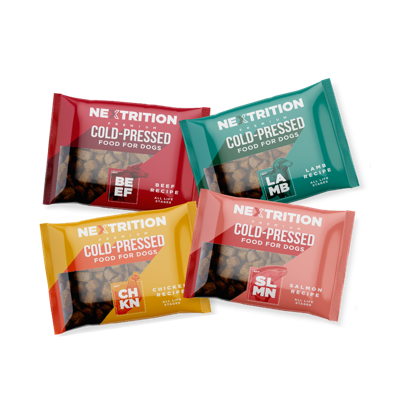
If you want to compare proteins without committing to a full bag too early, our Trial Variety Pack can be a useful testing tool. Not because variety is magic. It isn't. It just lets you trial proteins more deliberately and watch response before you stock up on the wrong thing.
Track a few things during the switch:
- stool firmness
- frequency
- gas
- appetite
- itching
- energy
That gives you a cleaner read than "he seemed maybe a little better on Tuesday."
When a Different Protein or a Simpler Formula May Make Sense
If loose stools keep recurring on one recipe, protein choice becomes a real troubleshooting step, not a trend.
Some dogs do poorly on poultry based foods. Some do better when the ingredient list gets simpler. That doesn't mean you need to bounce between exotic proteins every month. Usually the smarter move is reducing variables and testing in a controlled way.
A lamb based option is often worth considering for dogs whose stool never seems fully settled on more common choices. Our All-Natural Lamb Recipe is one example of that approach. It's a lamb based cold-pressed formula positioned for digestive support and sensitive stomach concerns, which makes it a sensible test case when you want to change one meaningful variable without changing everything.
If you're seeing a broader pattern of sensitivities, a limited ingredient approach can help narrow the field. The goal isn't to chase the most fashionable formula. It's to create a cleaner experiment.
A simpler food doesn't solve every gut problem. But it does make the dog's response easier to read.
When Loose Stools Are Probably Not About Food
Not every loose stool is a food problem, even when it happens near mealtime.
Dogs get diarrhea from dietary indiscretion all the time. They eat something off the sidewalk, raid the trash, lick up something strange in the yard, and suddenly the main food gets blamed. Stress can do it. Parasites can do it. Some medications can do it. Infectious disease can do it. Chronic gastrointestinal disorders can absolutely do it.
There are also cases where another food swap from a retail shelf just delays real help.
Talk to your vet sooner if you see any of these:
- vomiting
- blood in the stool
- belly pain
- dehydration
- repeated straining
- weight loss
- marked lethargy
- symptoms that last beyond a brief mild episode
Be especially careful with puppies, seniors, and dogs who are already medically fragile. Persistent stool issues deserve a clearer diagnosis. Sometimes the right answer is nutrition. Sometimes it isn't.
A Simple Food Audit for Dog Parents Who Want Clearer Answers

If you want fewer guesses, run a basic audit before changing everything. Keep it boring and honest. That's usually where the answers are.
Ask yourself:
- What changed in the last one to two weeks?
- Did we start a new food, treat, topper, supplement, or chew?
- Is anyone else feeding extras?
- Has portion size crept up?
- Is the stool loose every time or only intermittently?
- Are skin issues, ear issues, or gas showing up too?
Look at the whole feeding routine, not just the main bag. A dog can eat a decent food and still have a chaotic digestive routine.
If the audit points toward the food and you want a gut focused option afterward, our Dog Food for Soft Stool collection exists for exactly that use case. It's centered on firmer stools and digestive support. Still, we'd rather see you make one thoughtful change than five panicked ones.
Simplify first. Then observe. Then adjust.
Conclusion
Loose stools don't automatically mean you've failed your dog, and they don't always mean the current food is wrong forever.
Food can absolutely contribute. But the real answer is often a mix of ingredient tolerance, digestibility, processing method, transition speed, portion size, treats, and the dog's own gut resilience. That's why the smartest response is usually calmer and more methodical than people expect.
Audit the routine. Rule out obvious non food triggers. Track patterns instead of relying on memory. And if a food change makes sense, make it gradual and intentional.
Better stool is rarely the result of a dramatic fix. More often, it comes from finally removing the friction your dog's gut has been fighting every day.
Article Record
ReferencesPrimary sources used for this article
- A new highly digestible prescription diet containing Bacillus velezensis DSM 15544, fructo-oligosaccharides, plasma immunoglobulin, yeast and sepiolite for the management of acute diarrhea in dogs—a randomized double-blinded, controlled trial
- Diarrhea - PMC - NIH
- Dog Diarrhea: Signs, Symptoms, and Treatments
- Microbiome function underpins the efficacy of a fiber-supplemented dietary intervention in dogs with chronic large bowel diarrhea | BMC Veterinary Research | Springer Nature Link
- Abrupt Dietary Change and Gradual Dietary Transition Impact Diarrheal Symptoms, Fecal Fermentation Characteristics, Microbiota, and Metabolic Profile in Healthy Puppies
- Efficacy of an elemental diet in achieving clinical remission in dogs with chronic enteropathy
- Evaluation of Bacillus subtilis ATCC PTA-122264 on the fecal characteristics and microbiota of healthy adult dogs subjected to an abrupt diet change
- Frontiers | A new highly digestible prescription diet containing Bacillus velezensis DSM 15544, fructo-oligosaccharides, plasma immunoglobulin, yeast and sepiolite for the management of acute diarrhea in dogs—a randomized double-blinded, controlled trial
Update HistoryMeaningful revisions to this article


Dog owners often compare loose stools and diarrhea because the terms are used interchangeably in everyday conversation, even though they can suggest different degrees of severity. In practice, this is usually a comparison of symptom pattern, not two separate diseases: both describe stool that is softer than normal, but the amount of water, loss of form, frequency, urgency, and how the dog feels overall can change how concerning the episode is.
In general, dog's loose stools is a casual way to describe poop that is soft or mushy and may still hold some shape and is usually corrected by a proper dog food.
Diarrhea is the broader medical term for stool that is more unformed or watery and often comes with increased frequency or urgency. That said, the line between them is not always sharp, and stool appearance alone cannot tell you the cause.
Bottom line: if you are choosing between the two, diarrhea is usually the more medically precise umbrella term, while loose stools often implies a milder presentation. But that distinction is only somewhat helpful—what matters more is whether the problem is brief and mild or persistent, worsening, or paired with red flags like vomiting, blood, lethargy, poor appetite, or dehydration.
| dog loose stools | diarrhea | |
|---|---|---|
| Term meaning | Plain-language description for stool that is softer than normal and may still hold some shape; not a strict medical term. | Veterinary symptom term for soft, unformed, or watery stool from excess fecal water; it is a symptom, not a diagnosis. |
| Typical stool pattern | Often soft, mushy, or pudding-like and hard to pick up, but not necessarily watery. | Often very soft to watery, sometimes passed in larger amounts or more often than usual. |
| Frequency and urgency | Frequency may stay normal or rise only slightly, and urgency can be mild or absent. | More often linked with increased frequency, urgency, accidents, or straining. |
| Clinical interpretation | Often suggests the milder end of GI upset, but some cases still fit the broader medical umbrella of diarrhea. | Broader symptom pattern that may reflect small-bowel, large-bowel, or mixed gastrointestinal disease. |
| Common triggers or causes | Commonly noticed after a sudden diet change, eating something unusual, stress, or mild digestive upset. | Possible causes include dietary indiscretion, rapid food change, parasites, viral or bacterial infection, stress, toxins, foreign body, or inflammatory/systemic disease. |
| When concern rises | Concern rises if it lasts beyond 24–48 hours, becomes more watery, or comes with vomiting, lethargy, poor appetite, blood, or a puppy/senior/medically fragile dog. | Higher concern with watery or repeated diarrhea, vomiting, refusal to eat or drink, lethargy, belly pain, fever, blood or black/tarry stool, or symptoms lasting about 24–72 hours depending on severity. |
| Limits of what stool appearance can tell you | Appearance alone cannot distinguish simple dietary upset from parasites, infection, inflammation, toxin exposure, or obstruction. | Even classic-looking diarrhea cannot confirm the cause without history, examination, and sometimes fecal testing or other diagnostics. |
Key takeaway
Both terms point to stool that is softer than normal, but diarrhea is the broader veterinary term and usually implies more water, less form, and often increased frequency or urgency, while dog loose stools is a more casual description that may refer to mildly soft stool without major changes in how often a dog needs to go.
In everyday use, the difference between loose stools and diarrhea in dogs is not always sharp. One owner may call a mushy bowel movement “loose stool,” while another calls the same thing “diarrhea.”
A key limitation is that fecal appearance alone cannot diagnose the cause. Soft, unformed, or watery stool can happen with simple diet upset, but it can also occur with parasites, infection, inflammation, toxin exposure, or obstruction.
Why this comparison matters
Owners often use loose stools and diarrhea interchangeably because both describe an abnormal bowel movement rather than a specific disease. That can make the terms feel confusing, especially when one dog has a single soft stool and another has repeated watery accidents.
This comparison matters because it helps frame symptom pattern, not two separate conditions. In general, diarrhea is commonly understood as stool with increased fecal water content that becomes soft, unformed, or watery, often with increased frequency, urgency, or volume. By contrast, “loose stool” often suggests the milder-looking end of that spectrum.
A practical point is that many mild cases do settle on their own, especially if the dog is otherwise bright, eating, and drinking. But the risk is not zero. Ongoing fluid loss can contribute to dehydration, and some cases reflect more serious disease.
An important limitation is that there is no single universal cutoff that cleanly separates “loose stool” from “diarrhea” in every dog. Normal stool pattern varies between individuals, so context matters.
A measured example of why one cutoff does not fit every dog
In a study of 154 weaning puppies, researchers scored freshly passed stool from 1 (liquid) to 13 (dry and hard) and compared scores with average daily weight gain. The score associated with significantly lower gain differed by puppy age and breed size, rather than yielding one universal boundary.
| Puppy group | Fecal score below which average daily gain was significantly reduced |
|---|---|
| Small breeds, 4–5 weeks | 6 |
| Small breeds, 6–8 weeks | 7 |
| Large breeds, 4–8 weeks | 5 |
In this scale, lower numbers mean looser stool. The varying cut points support using stool consistency as one part of a pattern—not as a stand-alone diagnosis or a universal line between “loose stool” and “diarrhea.” These findings apply specifically to puppies aged 4 to 8 weeks during weaning, so they should not be used to classify adult dogs or determine the cause of diarrhea.
Head-to-head criteria
- Stool consistency
- Amount of water in the stool
- Frequency and urgency
- How long it lasts
- Other symptoms that raise concern
- Likely causes
- Risk level and dehydration potential
- When home monitoring may be reasonable
- When veterinary care is recommended
dog loose stools

Dog loose stools is a plain-language description of stool that is softer than normal and may still keep some shape. It describes appearance rather than cause and can overlap with the milder end of diarrhea.
Best suited for Everyday owner descriptions of a softer-than-normal stool change, especially when the dog may otherwise seem near normal.
Definition and plain-language meaning
Dog loose stools is a nontechnical, plain-language description for stool that is softer than normal but may still keep some shape. It does not have a strict medical definition.
Owners often notice:
- Soft or mushy texture
- One or a few abnormal bowel movements
- Normal or near-normal energy and appetite in mild cases
That description is useful for communication, but it is still only a description of what the stool looks like, not an explanation of why it happened.
How it typically presents
Loose stools often look poorly formed rather than fully liquid. A dog may pass stool that is soft, pudding-like, or hard to pick up cleanly, but not necessarily watery.
Frequency may stay normal or increase only slightly. Some dogs still act completely normal between bowel movements. Urgency may be mild or absent.
Common situations that can precede loose stools include:
- Sudden diet change
- Eating something unusual
- Stress
- Mild digestive upset
Those triggers are common, but they are not the only possibilities.
What it can mean clinically
Clinically, loose stools may represent the milder end of gastrointestinal upset. In some dogs, it is brief and self-limited.
At the same time, a veterinarian might still place some cases of “loose stool” under the broader medical umbrella of diarrhea if the stool is unformed enough. So the everyday label and the medical label can overlap.
The important nuance is that a dog can have what looks like only mild loose stool and still need veterinary attention if warning signs are present or if the pattern persists.
Risk profile
Immediate risk is often lower when:
- The dog is bright and responsive
- Appetite is normal
- Drinking is normal
- The problem is brief
- There are only one or a few abnormal stools
Risk rises if:
- Symptoms persist beyond 24 to 48 hours
- The stool becomes more watery
- The dog is a puppy, senior, or medically fragile
- Vomiting, lethargy, poor appetite, or blood appears
So while loose stool may sound mild, its risk depends heavily on duration, trend, and the dog’s overall condition.
What readers should monitor
If a dog has loose stools, useful things to monitor include:
- Number of bowel movements
- Whether the stool is getting firmer or more watery
- Appetite, hydration, and energy level
- Presence of mucus, red blood, or black/tarry stool
Those observations can help a veterinarian judge severity, but they still do not identify the cause on their own.
Evidence and limitations
Mild soft stool can resolve on its own, especially when the dog otherwise seems well. That is common enough to make short-term monitoring reasonable in selected mild cases.
But there is a major limitation: appearance alone cannot distinguish simple dietary upset from parasites, infection, inflammation, toxin exposure, or obstruction. A mild-looking stool change does not rule out a more important problem.

diarrhea

Diarrhea is the veterinary symptom term for stool that is soft, unformed, or watery because of excess fecal water. It is a symptom rather than a diagnosis and may be acute or chronic, with small-bowel, large-bowel, or mixed involvement.
Best suited for Symptom-focused or veterinary discussion of unformed to watery stool, especially when frequency, urgency, or broader gastrointestinal causes are part of the picture.
Definition and veterinary meaning
Diarrhea is the veterinary term for stool that is soft, unformed, or watery because of excess fecal water, often with increased frequency, urgency, or volume.
It is important to say clearly that diarrhea is a symptom, not a diagnosis. It tells you something is abnormal in the digestive process, but not exactly why.
Depending on the case, diarrhea may reflect small-bowel, large-bowel, or mixed gastrointestinal involvement.
How it typically presents
Diarrhea often presents as very soft to watery stool. Dogs may need to defecate more often than usual, seem urgent when asking to go out, or have accidents.
It may also involve:
- Straining
- Mucus
- Red blood
- Black/tarry stool in some cases
- Recurrent episodes
Diarrhea can be acute or chronic. Acute cases start suddenly and may resolve quickly, while chronic or recurrent cases usually deserve a more thorough workup.
What it can mean clinically
Diarrhea may arise from:
- Dietary indiscretion
- Rapid food changes
- Parasites
- Viral or bacterial infection
- Stress
- Toxins
- Foreign body
- Inflammatory or systemic disease
That broad list is why diarrhea should be treated as a symptom pattern rather than a stand-alone illness.
A clinically important point is that diarrhea can reflect disease in different parts of the gastrointestinal tract. Small-bowel diarrhea may be associated with larger-volume stool and weight loss, while large-bowel diarrhea more often brings urgency, straining, mucus, and fresh red blood. Not every dog follows a textbook pattern, though.
Risk profile
Diarrhea often raises more concern than mildly loose stool because greater fluid loss can increase the risk of dehydration and electrolyte imbalance.
Risk escalates with:
- Vomiting
- Refusal to eat or drink
- Lethargy
- Belly pain
- Fever
- Black/tarry stool or obvious blood
- Symptoms lasting beyond 24 to 72 hours, depending on severity
Watery diarrhea, repeated episodes, and diarrhea plus vomiting are more concerning because they can deplete body fluids more quickly.
What readers should monitor
If a dog has diarrhea, monitor:
- Frequency, urgency, and volume
- Whether stool is watery, bloody, black, or mucus-covered
- Signs of dehydration
- Weight loss or recurrent episodes
- Any suspected toxin, garbage, or foreign-object exposure
These details can materially affect how urgently veterinary care is needed.
Evidence and limitations
Many acute diarrhea cases are mild and self-limiting, especially when a dog remains bright, hydrated, and interested in food.
Still, there is an important limitation: even classic-looking diarrhea cannot confirm the cause without history, physical examination, and sometimes fecal testing or other diagnostics. A watery stool pattern may look similar across very different underlying problems.
Side-by-side comparison
Stool consistency
- dog loose stools: soft or mushy, may retain partial shape
- diarrhea: unformed to watery, typically more severe loss of structure
Frequency and urgency
- dog loose stools: often normal to mildly increased frequency
- diarrhea: often increased frequency, urgency, and possible accidents
Water loss and dehydration risk
- dog loose stools: lower risk if brief and mild
- diarrhea: higher risk, especially if frequent, watery, or paired with vomiting
Common causes
- dog loose stools: mild diet-related upset, stress, transition to new food
- diarrhea: those same causes plus wider concern for infectious, inflammatory, toxic, obstructive, or systemic illness
When the distinction matters
The distinction matters mainly for describing severity and trend. Saying “loose stool” may suggest a softer but still partly formed bowel movement, while “diarrhea” may better communicate greater water loss, urgency, or frequency.
It matters less when urgent warning signs are present, because either symptom pattern may warrant prompt veterinary care.

How to tell which term fits better
Use dog loose stools when:
- Stool is softer than normal but not fully watery
- The dog has few episodes
- The dog otherwise seems normal
Use diarrhea when:
- Stool is unformed or watery
- Frequency or urgency is clearly increased
- There are accidents, straining, mucus, or blood
If you are unsure, “diarrhea” is usually the safer umbrella term to mention when calling a veterinarian, because it signals that the stool is abnormal and may need guidance.
When to contact a veterinarian
Contact a veterinarian if your dog has:
- Symptoms lasting more than 24 to 48 hours, or not improving within 48 to 72 hours
- Vomiting plus loose stool or diarrhea
- Lethargy, weakness, or not eating
- Black/tarry stool or visible red blood
- Signs of dehydration
- Suspected toxin or foreign body ingestion
- Puppy, senior dog, or dog with chronic illness
- Recurrent or chronic episodes
In high-risk dogs, it is reasonable to call sooner rather than later. A puppy or medically fragile dog can worsen faster than a healthy adult dog.
What owners can reasonably do at home in mild cases
For mild, short-lived cases in an otherwise stable dog, owners can reasonably:
- Monitor stool, energy, appetite, and water intake closely
- Avoid sudden diet changes
- Ask a veterinarian before using medications or supplements
- Discuss short-term bland feeding with a veterinarian, keeping in mind that it is not a balanced long-term diet
A key safety limit is that home care is only appropriate for mild, short-lived cases in otherwise stable dogs. If the dog seems unwell, symptoms are worsening, or red flags appear, home monitoring is not enough.

Decision guidance
Choose the framing dog loose stools if the goal is to describe a mild, brief digestive upset while still emphasizing careful monitoring.
Choose the framing diarrhea if the stool is clearly unformed or watery, or if the severity needs to be taken seriously.
The best overall takeaway is that the difference between loose stools and diarrhea in dogs is mostly about severity and pattern, not two unrelated conditions. If red flags are present, the label matters less than getting timely veterinary advice.
Conclusion
Both terms describe abnormal stool, but diarrhea is the broader and more medically precise term. Loose stools usually suggests a milder presentation, while diarrhea more often implies more water, less form, and greater concern for fluid loss.
Mild loose stool may resolve on its own, but more severe or persistent diarrhea can signal dehydration or underlying illness.
If symptoms escalate, last more than a couple of days, or come with vomiting, blood, lethargy, or poor food or water intake, owners should seek veterinary guidance promptly.
Article Record
ReferencesPrimary sources used for this article
- Validation of a fecal scoring scale in puppies during the weaning period
- Diarrhea
- Logical Approach to Diarrhoea - WSAVA2009 - VIN
- DIARRHEA IN SMALL ANIMALS
- Acute Diarrhea
- Dog Diarrhea: How To Identify, Diagnose, and Treat It
- Acute Diarrhea in Dogs: Current Management and Potential Role of Dietary Polyphenols Supplementation
- A Randomized Double Blinded Placebo-Controlled Clinical Trial of a Probiotic or Metronidazole for Acute Canine Diarrhea
- Diarrhoea in the dog in the shelter environment | BSAVA Library
Update HistoryMeaningful revisions to this article


Loose stool has a way of making every scoop of food feel like a bad decision. Knowing what to feed a dog with loose stools starts with not piling on treats, toppers, pumpkin, and three new supplements at once.
What matters is calming the gut first, then paying attention to what keeps the problem returning. A bland meal can help for a day; it won’t fix food that your dog doesn’t digest well.
Start here:
- Offer small, plain meals and keep fresh water available.
- Skip fatty scraps, chews, dairy, and “just one” treat.
- Call your vet for blood, vomiting, lethargy, or diarrhea that lingers.
Get to firmer stools without guessing.

The Short Answer to What to Feed a Dog With Loose Stools
If you're wondering what to feed a dog with loose stools, start simple. If your dog is still acting fairly normal, not vomiting, and interested in food, the first move is usually small amounts of easy-to-digest food, not a bunch of random fixes.
For most mild cases, that means:
- boiled chicken and plain rice
- plain canned pumpkin, not pumpkin pie mix
- fresh water at all times
- a vet-approved probiotic if your dog has used one before or your vet recommends it
- smaller meals spread through the day instead of one or two heavy bowls
Here's the distinction that matters: a bland diet is a short-term calming plan, not the best food for dog with loose stools long term.
That part gets missed a lot.
Loose stool that keeps coming back usually isn't just bad luck. It often points to digestion trouble, microbiome imbalance, an ingredient your dog doesn't handle well, or food that simply isn't being used efficiently.
When Loose Stools Mean You Should Call the Vet First
Some cases are fine to watch at home for a day. Some aren't. The hard part is that dog owners often wait too long because the dog still wags, still eats, still wants to go outside.
Call your vet sooner if you see any of this:
- vomiting along with diarrhea
- blood in the stool
- major lethargy or weakness
- signs of belly pain
- dehydration
- repeated straining
- concern that your dog swallowed something it shouldn't have
- profuse diarrhea that keeps going
If loose stools last more than 24 to 48 hours, that's vet territory even if your dog is still eating.
Puppies under 3 months, senior dogs, and dogs with known medical issues need a shorter leash here. They can get into trouble faster, and they're not good candidates for casual fasting or internet-remedy experiments.
One thing we wouldn't do blindly is pile on fiber, pumpkin, supplements, and probiotics when the real issue might be pancreatitis, colitis, a blockage, or something infectious. Stool problems are common. They're not always minor.
If your dog looks off, trust that before you trust the bowl plan.
Why Loose Stools Are Usually a Gut Health Signal
Most owners look at the mess. We look at what the mess is telling you.
Loose stools usually mean the gut isn't doing its job cleanly. That can show up as poor digestion, irritation in the intestinal tract, bacterial imbalance, low-quality ingredients, rich add-ons, or food that moves through too fast to be properly absorbed.
A healthy stool is pretty boring. It should hold its shape, be easy to pick up, and not smear across the grass like soft serve. Crude description, but useful.
When dogs digest food well, they tend to produce:
- more formed stools
- less stool volume
- less gas
- more predictable bathroom habits
That matters because stool quality is one of the clearest pieces of feedback you get from a food. If your dog eats a full bowl every day and keeps producing oversized, soft, frequent stools, the food may be filling the stomach without really serving the dog.
And the gut isn't a side system. A huge share of immune activity runs through it. So when digestion is off over and over, it doesn't always stay a poop problem. Sometimes you start seeing skin irritation, appetite changes, gassiness, or just a dog that never seems fully settled.
Should You Feed a Dog With Loose Stools or Give the Gut a Short Break?
People still jump straight to fasting. Sometimes that's right. Often it's just habit.
If your dog has loose stools but isn't vomiting, many dogs do better with gentle feeding instead of a full food stop. A little bland, digestible food in small amounts can be easier on the system than an empty stomach followed by a big refeed.
A short fast may make sense if your dog got into something questionable and has mild upset, but it should be brief. And if there's any doubt, ask your vet first.
A few practical rules:
- Never withhold water.
- Don't fast puppies, seniors, or medically fragile dogs unless your vet tells you to.
- If feeding seems to make things dramatically worse, stop guessing and call your vet.
Hydration matters more than food in the first stretch. Loose stool pulls water with it. That's when you start seeing tacky gums, lower energy, or a dog that just looks flat.
This is one of those moments where calm beats aggressive. You don't need to "reset" the entire digestive system in an afternoon.
What to Feed a Dog With Loose Stools in the First 24 Hours
For an uncomplicated case, keep the first day plain and controlled. The goal is to reduce digestive workload, not win a nutrition award by dinner.
A simple first-day plan looks like this:
- small portions of boiled chicken and plain white rice
- plain canned pumpkin in a modest amount if your dog usually tolerates it
- several mini meals through the day rather than full-size servings
- no treats, chews, scraps, broths, or meal toppers
- constant access to fresh water
Small frequent feeding matters more than people think. A gut that's irritated often handles four or five little meals better than one "sensible" normal meal.
Watch these in the background:
- energy level
- appetite
- frequency of bowel movements
- whether stool is improving or becoming more urgent
- water intake
If your dog is still having repeated watery stool, starts vomiting, or seems less comfortable as the day goes on, the home plan has run its course.
This short-term approach is for mild digestive upset. It's not a DIY answer for chronic diarrhea or a dog with a known GI condition.

Helpful Gut-Supporting Add-Ins That May Improve Stool Quality
Once the immediate flare settles, some dogs benefit from basic gut support. The mistake is assuming more support is always better. It isn't.
Probiotics and prebiotics
Probiotics can help restore balance after a digestive upset. Some dogs respond quickly, sometimes within a day or two. Others need a more stable food change before they improve much.
Prebiotics do a different job. They feed helpful gut bacteria so the microbiome has something useful to work with. That's one reason we care so much about ingredient quality and processing method. Gut support isn't only about what you add. It's also about what survives the manufacturing process.
Soluble fiber
Plain pumpkin and psyllium can help some dogs because soluble fiber holds water and can firm up stool. But fiber is a tool, not a magic trick.
Too much can leave you with:
- more gas
- bulkier stools
- more urgency
- a dog that seems no better, just busier
And if the dog is dehydrated, fiber can make a mediocre situation worse. Water intake has to keep up.
Some dogs do fine with food-based support. Others with recurring issues need a true gastrointestinal diet or a more intentional long-term plan. That's the fork in the road.
| Add-in | What it does | When it may help | Main caution |
|---|---|---|---|
| Probiotics | Can help restore balance after a digestive upset. | Some dogs respond quickly, sometimes within a day or two. | More support is not always better; some dogs need a more stable food change before they improve much. |
| Prebiotics | Feed helpful gut bacteria so the microbiome has something useful to work with. | Useful as part of basic gut support after the immediate flare settles. | Gut support is not only about what you add; ingredient quality, processing method, and what survives manufacturing also matter. |
| Soluble fiber | Plain pumpkin and psyllium can hold water and help firm up stool in some dogs. | May help in appropriate cases, but it is a tool rather than a magic fix. | Too much can cause more gas, bulkier stools, more urgency, and worse results if the dog is dehydrated; water intake has to keep up. |
What Not to Feed a Dog With Loose Stools
A lot of setback comes from good intentions.
When a dog's stool gets loose, owners start reaching for leftovers, rich canned food, bone broth, new treats, yogurt, "gut powders," and anything with a calming label on it. That's usually how you turn one variable into seven.
Avoid these during a flare-up:
- fatty foods or greasy leftovers
- rich toppers
- lots of treats, even the "healthy" kind
- dairy and probiotic-heavy human foods
- highly processed snacks
- abrupt food changes
- multiple new supplements at once
The dog's gut does not care that the treat was expensive.
One of the most common mistakes is bouncing between foods every couple of days because stool isn't perfect yet. Then you can't tell whether the problem is the original issue, the new protein, the pumpkin, or the chew you gave because your dog looked sad.
Eating something is not the same as eating something the gut can use calmly. That's the standard.
How to Choose the Best Food for a Dog With Loose Stools
Once the urgent part passes, the real question starts. Not "what stopped the mess?" but "what should this dog eat every day so we stop replaying this?"
The best food for dog with loose stools should be:
- complete and balanced
- easy to digest
- built around a clear protein source
- made with ingredients you can actually recognize
- moderate and sensible, not overloaded
- supported by functional fiber and gut-friendly ingredients
We also think processing matters more than the average label conversation admits. Heavily processed kibble can be hard on dogs that already have touchy digestion. Gentler processing helps preserve more natural nutrients, enzymes, and amino acids, and that tends to show up in stool quality.
That's exactly why our Cold-Pressed Dog Food collection exists. We make it at 3x lower temperatures than conventional kibble, with real meat, fruits, and vegetables, because dogs with sensitive digestion usually don't need more food drama. They need food their bodies can actually work with.
For dogs dealing with recurring soft stool, our Dog Food for Soft Stool and Dog Food for Gut Health collections are often where owners start narrowing the field. Not because every loose stool case is the same, but because the long-term fix usually lives in better digestibility, cleaner ingredients, and a food that stops fighting the gut every day.
Which Proteins and Ingredients Tend to Work Best for Sensitive Digestion
There isn't one universal "safe" protein. There is only the protein your dog handles well, consistently, over time.
Chicken is common in short-term bland feeding because it's familiar and digestible when prepared simply. That doesn't automatically make it the best everyday answer. Some dogs do better when the protein source stays simple and stable instead of rotating every time a bag runs out.
For many sensitive dogs, lamb is a practical everyday option. Our All-Natural Lamb Recipe is one we often point owners toward when they want a lamb-based cold-pressed food made with digestion and stool quality in mind. It's especially useful when you want an everyday dry food that feels gentler than standard kibble without getting overly complicated.
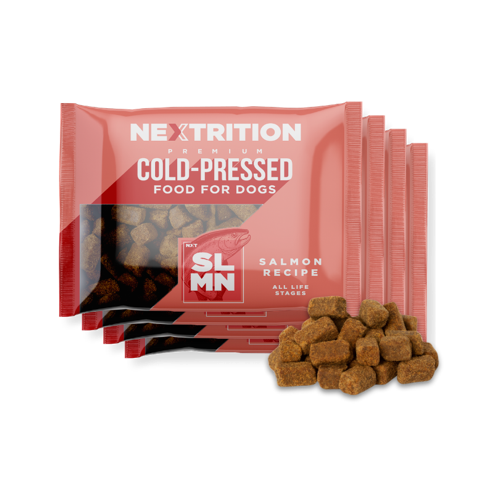
Salmon can make sense when gut and skin issues seem to travel together, which they often do. Our All-Natural Salmon Recipe gives you a fish-based option with omega-3 support in a shelf-stable dry format, and some dogs with soft stool plus itching do better when both concerns are addressed from the bowl.
A few ingredients are worth watching for in any formula:
- pumpkin
- chicory root
- natural fiber sources
- a short, readable ingredient list
- one clear primary protein
We'd judge success by what your dog shows you: stool quality, gas, appetite, comfort, maybe even whether the stomach noises quiet down after a week or two. Labels make promises. Stools keep score.
When a Prescription Gastrointestinal Diet May Be the Better Choice
Sometimes a premium everyday food isn't enough. That's not a failure. It's just a different case.
If your dog has chronic diarrhea, inflammatory bowel disease, malabsorption, EPI, colitis, or a condition where low fat intake matters, your vet may want a therapeutic gastrointestinal diet. Those diets are often built to be highly digestible, lower residue, lower in fat, or more tightly controlled in ways that matter for medical cases.
Some are also designed with targeted prebiotic blends and are used specifically to help resolve diarrhea quickly or lower the chance of it repeating.
That's not the same thing as casually grabbing a "sensitive stomach" food off a shelf.
Puppies especially need more care here. A puppy with digestive trouble may need a veterinary formula that supports growth while managing the gut issue. And a homemade chicken-and-rice plan is not a complete diet for weeks on end, no matter how much your dog likes it.
When the gut problem has a diagnosis attached to it, feed the diagnosis first.
There is also clinical evidence that a specifically formulated veterinary diet can change recovery time in uncomplicated acute diarrhea. In a 2025 randomized, double-blind trial, 111 adult dogs with mild-to-moderate acute diarrhea were assigned to either a highly digestible control diet or a prescription diet containing several added gut-support ingredients. Dogs on the multi-ingredient diet reached normal fecal consistency in 3.6 days on average, versus 5.9 days for the control diet.
In 111 adult dogs with uncomplicated acute diarrhea, the tested multi-ingredient prescription diet was associated with a shorter mean time to normal fecal consistency than a highly digestible control diet.
Source: Jeusette et al., 2025
- This was a study of 111 adult dogs with mild-to-moderate uncomplicated acute diarrhea, not dogs with chronic enteropathy, puppies, or medically complicated diarrhea.
- The test diet combined several ingredients, so the trial cannot isolate the effect of any one probiotic, prebiotic, or fiber ingredient.
- The study included employees of and funding from the diet manufacturer.
View chart data
| Diet group | Mean days |
|---|---|
| Tested multi-ingredient prescription diet | 3.6 |
| Highly digestible control diet | 5.9 |
That result applies to the particular prescription formula tested, not to every food marketed for sensitive digestion, homemade bland meals, or a single probiotic or fiber add-in. The study also involved uncomplicated acute cases; recurring diarrhea, puppies, and dogs with a diagnosed condition still need a veterinary plan tailored to the cause.
How to Transition From Bland Food to a Better Everyday Diet
This is where a lot of relapses happen. The stool improves, everyone relaxes, and by the next day the dog is back on a full bowl plus treats. Too fast.
Move back to a complete diet gradually, usually over about a week. Very sensitive dogs may need longer. Let stool quality set the pace. If stool softens again, don't panic and add three more products. Slow the transition.
A practical approach:
Step-by-step transition
- Start mix
Start with mostly bland food and a small amount of the new food.
- Increase gradually
Increase the new food a little every day if stool stays stable.
- Pause if needed
Hold steady or step back if stool loosens again.
- Skip extras
Keep treats and extras out until the base diet is settled.
Change one variable at a time. Food, toppers, supplements, treats. One at a time.
If you're not sure which protein your dog will do best on, our Trial Variety Pack is a clean way to test tolerance before committing to a full-size bag. That works better than buying three large bags and hoping enthusiasm counts as a nutrition plan.
Monitor stool consistency, gas, itching, appetite, energy, and frequency. This week tells you a lot.

How to Tell Whether the New Food Is Actually Helping
Don't judge a new food by one decent poop. That gets people into trouble.
What you want is a pattern:
- stools become more formed
- pickup gets easier
- urgency drops
- gas settles down
- appetite feels steadier
- bathroom timing becomes more predictable
Some supports, especially fiber or probiotics, may help within a day or two. Full stabilization from a new food usually takes longer. That's normal.
Smaller firmer stools are often a good sign. It can mean your dog is using more of the meal instead of passing a lot of wasted bulk. That's one of the quieter signs that digestibility has improved.
Watch for signals that the food is still wrong:
- persistent soft stool
- mucus
- repeated flare-ups
- itching
- ear issues
- constant digestive noise
Track patterns instead of reacting to every one-off. A single odd stool after a stressful day or scavenged leaf doesn't tell you much. Three weeks of inconsistency does.
Common Mistakes That Keep Loose Stools Coming Back
Most recurring stool problems aren't mysteries. They're patterns people haven't slowed down enough to notice yet.
A few repeat offenders:
- staying on a bland diet too long and turning a short-term fix into an incomplete routine
- adding pumpkin, probiotics, broth, treats, and new food all at once
- rewarding improvement with rich chews too early
- choosing food based on packaging language instead of digestibility and stool response
- ignoring recurring soft stool because the dog still seems happy
- treating every episode like a random accident instead of checking proteins, fat level, transitions, and extras
One of the worst habits is normalizing "pretty good" stool. If your dog has soft stool three days out of seven, that's not stable. It's just familiar.
Conclusion
What to feed a dog with loose stools depends on where you are in the problem. In the short term, go simple: gentle food, small portions, water, and close observation. In the long term, aim higher than stool control.
Recurring loose stools usually mean it's time to look at digestion, microbiome balance, food quality, and ingredient fit with more honesty. Quick fixes have their place. They just aren't the whole job.
If the case is mild, start calm and feed carefully. Then transition with intention into a complete food that supports firmer stools, easier digestion, and a gut that's finally getting some help instead of fresh irritation every day.
Article Record
ReferencesPrimary sources used for this article
- A new highly digestible prescription diet containing Bacillus velezensis DSM 15544, fructo-oligosaccharides, plasma immunoglobulin, yeast and sepiolite for the management of acute diarrhea in dogs—a randomized double-blinded, controlled trial
- Fiber Supplements in Dogs | SpectrumCare
- What To Feed a Dog With Diarrhea - PetMD
- A Randomized Double Blinded Placebo-Controlled Clinical Trial of a Probiotic or Metronidazole for Acute Canine Diarrhea
- Efficacy of feeding a diet containing a high concentration of mixed fiber sources for management of acute large bowel diarrhea in dogs in shelters
- Canine chronic enteropathy—Current state-of-the-art and emerging concepts
- Royal Canin Gastrointestinal Puppy Ultra-Soft Mousse Wet Dog Food | Royal Canin UK
Update HistoryMeaningful revisions to this article


Chronic loose stools in dogs are easy to dismiss as a sensitive stomach—until you’re watching every walk for mucus, urgency, or another 5 a.m. accident. A week is one thing. A pattern that keeps returning needs a closer look.
What matters is the full picture: stool shape, frequency, appetite, weight, treats, and how consistently you feed. Food can be a real lever, but random switching usually makes the signal harder to read.
Watch for:
- Small, frequent stools with mucus or straining
- Weight loss, vomiting, blood, or low energy
- Improvement after a slow, simple diet change
Get past guesswork and toward firmer stools.
What Counts as Chronic Loose Stools in Dogs
Chronic loose stools in dogs usually means this is no longer a one-off stomach upset. We're talking about stool that stays soft, loose, poorly formed, or keeps coming back for weeks instead of clearing after a day or two.
Some vets use more than 2 weeks as the cutoff. Others use 3 weeks or longer. In real life, if your dog keeps cycling through "better, then sloppy again," it's worth paying attention before it turns into a full project.
A single bad day after raiding the trash is one thing. A repeating pattern is different. And chronic doesn't always look dramatic.
You might see:
- soft "cow pat" stools instead of fully watery diarrhea
- stool that starts formed and ends mushy
- frequent small bowel movements
- mucus on the stool
- urgency at the door
- accidents that feel out of character
That range matters because long term loose stools in dogs causes aren't all the same. Some dogs have a diet-responsive gut issue. Some have parasites. Some are dealing with chronic enteropathy, colitis, pancreatic trouble, or a bigger medical problem outside the gut.
Loose stool is a symptom, not a diagnosis. That's the mindset shift.
Why Chronic Stool Changes Matter More Than Most Owners Think
Most people treat stool quality like a housekeeping issue until it goes on too long. We don't see it that way. Your dog's stool is one of the clearest daily signals you get.
The gut handles nutrient absorption, microbial balance, and a lot of immune activity. When the stool is chronically off, the system upstream is often off too. That can show up as low energy, inconsistent appetite, gas, coat changes, skin irritation, or a dog that just seems a little less comfortable in their own body.
About 70% of the immune system is tied to the gut. That number gets thrown around a lot, but the practical point is simple: when digestion is messy for weeks, the effects rarely stay neatly in the poop bag.
If you're frustrated, we get it. If you feel a little guilty, that part's common too. But chronic loose stools in dogs are often more actionable than owners think once you stop treating them like random bad luck and start looking for patterns in food, treats, timing, and symptoms.
Better digestion usually comes from consistency, not heroics.
Good gut support is often boring in the best way. Feed the right food, feed it consistently, and stop changing five variables at once.
The Most Common Causes Behind Long-Term Loose Stools
There isn't one master cause. But there is a pattern: many chronic stool cases start with a primary intestinal problem, and a lot of them are inflammatory or diet-responsive.
In larger case reviews of dogs with chronic diarrhea, about 90% had a primary enteropathy. Within that group, inflammatory cases were the biggest bucket. Here's the encouraging part: among inflammatory gut cases, food-responsive disease was the most common subgroup. That means diet is often one of the first real levers, not an afterthought tacked on at the end.
Common diet-related triggers include:
- abrupt food changes
- rich treats and table scraps
- high-fat extras
- overfeeding
- poor tolerance to certain ingredients
- adverse food reactions
Then there are the gut-specific medical causes:
- chronic enteropathy
- colitis and other large bowel inflammation
- microbiome imbalance
- parasites such as giardia
- bacterial overgrowth patterns
And sometimes the stool problem starts outside the intestines:
- exocrine pancreatic insufficiency
- pancreatitis
- endocrine disease
- liver or kidney disease
- cancer
- medication disruption, especially after antibiotics
Stress can absolutely stir up the gut in some dogs. We see that. But "it's probably stress" is also a lazy explanation when the stool has been loose for weeks. Rule out the more common causes first.
The Stool Clues That Help Narrow Down the Cause
The mess matters less than the pattern. Once you start reading the pattern, the next step gets a lot clearer.
Large bowel vs small bowel signs
Large bowel problems often look like this:
- frequent small stools
- urgency
- straining
- mucus
- fresh red blood
Small bowel issues more often bring:
- larger volume stool
- weight loss
- poor body condition
- gas
- occasional vomiting
A dog with normal appetite and energy but repeated mucus-filled stools may be dealing with a very different issue than a dog dropping weight with bulky loose stool. Same symptom on the surface, different logic underneath.
Keep notes on a few plain things:
- how often your dog goes
- whether they strain
- stool color
- mucus or blood
- overnight accidents
- appetite shifts
- body weight
- vomiting
This is the sort of detail that helps a vet decide whether to start with fecal testing, bloodwork, a diet trial, or a deeper workup. Owners often remember the worst day. The useful part is the pattern across ten days.
| Pattern | Common signs | Example picture |
|---|---|---|
| Large bowel | frequent small stools; urgency; straining; mucus; fresh red blood | repeated mucus-filled stools |
| Small bowel | larger volume stool; weight loss; poor body condition; gas; occasional vomiting | dropping weight with bulky loose stool |
When Loose Stools Are a Vet Issue, Not a Wait-and-See Issue
Some cases shouldn't sit on the kitchen counter as a "let's watch it" situation. If you see any of the following, call your vet:
- weight loss
- lethargy
- repeated vomiting
- black stool
- obvious blood
- dehydration
- refusing food
- abdominal pain
- fever
- loose stools in puppies, seniors, or medically fragile dogs
Even without those red flags, chronic cases deserve a conversation. Weeks of loose stool can mean poor absorption, protein loss, or ongoing intestinal inflammation.
In tougher cases, certain lab findings tend to show up more often, including anemia, very low albumin, and low cobalamin. That doesn't mean every dog with soft stool has something severe going on. It means testing matters when the pattern sticks.
Chronic diarrhea is common in veterinary practice. A lot of it is manageable. But the dog that looks bright at home can still be dealing with a gut problem that's been simmering for months.
What a Good Diagnostic Workup Usually Includes
A solid workup is usually stepwise, not dramatic. That's good news. You don't want random testing. You want the next right test.
The first pass
Your vet will usually start with history and a physical exam. Expect questions about:
- how long it's been happening
- the exact stool pattern
- diet changes
- treat use
- scavenging
- travel
- deworming
- medication history
Fecal testing usually comes early. One negative sample doesn't always rule out parasites because some shed intermittently. Multiple stool samples over a few days often give a better read.
When symptoms keep going
Bloodwork and urine testing help screen for inflammation, organ issues, protein loss, pancreatitis clues, and non-intestinal causes. Gut-focused tests such as cobalamin, folate, and TLI can be useful when pancreatic or absorption problems are in play.
If symptoms are severe, odd, or just won't quit, imaging or ultrasound may be next. Endoscopy and biopsies come later when chronic enteropathy, inflammatory bowel disease, or cancer needs clearer confirmation.
Diet trials sit in an interesting spot here. They're both treatment and diagnostic tool. In a lot of dogs, that's not a compromise. That's smart medicine.

Why Diet Is Often the First Real Fix, Not Just Supportive Care
Food changes the traffic pattern inside the gut. It affects digestibility, fermentation in the colon, microbial balance, inflammation, and the actual shape of the stool.
That's why the right diet can work fast. In one prospective study of dogs with chronic large bowel diarrhea, a fiber-supported therapeutic food improved stool consistency within a day for many dogs. Over 56 days, 68% had complete resolution of clinical signs and the rest improved. No recurrence was reported during the study period.
That tracks with what makes sense physiologically. Certain fibers help shift the colon away from protein putrefaction and toward healthier carbohydrate fermentation. In plain terms, the gut gets a calmer fuel source, and stool quality often follows.
Still, this isn't one-size-fits-all.
Some dogs do better on:
- more targeted fiber support
- a highly digestible formula
- a novel protein
- a hydrolyzed or elemental diet
- diet plus medical treatment
Other feeding trials in chronic enteropathy have also shown meaningful improvement within days to a couple of weeks, especially when the dog stays exclusively on plan. That's the hard part for a lot of households. One biscuit from the wrong jar can muddy the read.
The Best Diet Approaches for Chronic Loose Stools
There are a few main diet paths, and they solve different problems. This is where owners get stuck because everything gets marketed as "gentle."
Highly digestible diets
These are useful when the gut is irritated and needs less work. They can help dogs whose stool went sideways after richer foods or heavily processed diets. Sometimes simpler really is better.
Fiber-supported diets
These matter most for chronic large bowel patterns: mucus, urgency, frequent small stools. Fiber isn't one thing. The source and type matter. Some fibers help normalize stool and feed the right microbes. Some just add bulk and miss the point.
Novel or single-protein diets
These are worth considering when food sensitivity is on the table. A single protein makes it easier to figure out what your dog actually tolerates instead of guessing through a crowded ingredient panel.
Hydrolyzed or elemental diets
These are more specialized and usually best used with veterinary guidance, especially after repeated diet failures or in diagnosed chronic enteropathy.
One rule cuts across all four: exclusive feeding matters. If your dog is still getting random treats, flavored chews, scraps, and three toppers, you don't really know whether the food is working.
What a Hydrolyzed Diet Trial Achieved After Earlier Diet Failures
Hydrolyzed diets are often considered after simpler diet trials have not worked. In a small 2025 uncontrolled clinical trial of dogs with confirmed chronic enteropathy that had already failed one to three diet therapies, clinical success meant a reduction of at least 75% in disease-activity score. The share meeting that threshold increased over the 10-week feeding period.
| Assessment time | Dogs meeting clinical-success threshold | Dogs evaluated | Clinical success (%) |
|---|---|---|---|
| Week 5 | 8 | 13 | 61.5% |
| Week 10 | 10 | 11 | 90.9% |
This is promising evidence for a veterinarian-guided hydrolyzed-diet trial in a specific, difficult-to-treat group—not proof that one formula works for every dog with loose stools. The study was small, uncontrolled, and two dogs withdrew before the week-10 assessment, so the later percentage uses a smaller denominator.
What to Look for in a Better Food if Stool Quality Is the Goal
If stool quality is the goal, stop shopping by vibe. Read the food like it has a job to do.
Look for:
- clearly named animal proteins
- simpler ingredient lists
- steady fiber sources
- a formula built for digestibility, not just marketing novelty
- prebiotic fibers or natural fiber sources when tolerated
Processing matters too. Lower-temperature preparation can preserve more of the food's natural value than conventional high-heat extrusion. Some sensitive dogs do better when the food is easier to break down and more nutrient-dense per bite.
That's one reason we built our Dog Food for Soft Stool collection around cold-pressed recipes. The food is made at 3x lower temperatures than standard kibble, with real meat, fruits, vegetables, and digestive support in mind. For owners trying to get out of the loose-stool cycle, a gentler dry-food format makes more sense than just swapping from one heavily processed bowl to another.
Not every premium bag earns your trust. Firmer stool is a performance outcome, not a packaging claim.
How to Choose the Right Protein for a Dog With a Sensitive Gut
Protein isn't always the villain, but it can be the variable that keeps setting a dog off. When flare-ups repeat, we like a one-protein-at-a-time mindset.
Lamb can be a practical choice for dogs needing a formula positioned for easier digestion. Our All-Natural Lamb Recipe fits that lane well, especially for owners who want a lamb-based option without turning the bowl into an ingredient experiment.
If stool issues overlap with itchy skin or a dull coat, a fish-based formula may deserve a look. In that case, salmon can solve two problems at once if the dog tolerates it.
And if poultry seems to trigger problems, a chicken-free path may be the cleaner move. That's where a chicken-free collection becomes useful. It removes one common suspect without making the whole feeding plan complicated.
If you're still figuring out preference and tolerance, a Trial Variety Pack can help. Just don't rotate too fast if you suspect a true sensitivity. Testing four proteins in a blur tells you almost nothing.
The goal isn't novelty. It's landing on one formula your dog digests well and can stay on consistently.
How to Transition Food Without Making the Problem Worse
Even a better food can backfire if the switch is too abrupt. We've seen owners blame the new food when the real issue was the transition.
A slow 5 to 7 day change is usually the safe play unless your vet tells you otherwise:
Step-by-step transition
- Start small
start with a small amount of the new food mixed into the current food
- Increase gradually
increase gradually each day
- Pause if needed
slow down or pause if stools get worse
During that window, remove the confounders:
- no new treats
- no rich chews
- no table scraps
- no rotating toppers
Feed measured portions and keep meal times steady. Overfeeding a gentler food can still overwhelm digestion. Soft stool doesn't care how premium the bag is.
A personalized meal plan helps here because it cuts the guesswork on portions. Regular delivery helps too. If you're constantly running out and substituting with whatever's nearby, you never get a fair read on the food.
Mistakes That Keep Dogs Stuck in the Loose-Stool Cycle
This is where good intentions usually go sideways.
Common mistakes include frequent food hopping, changing too many variables at once, overfeeding, assuming all fiber is useful, and deciding every soft stool means the dog now needs a raw, grain-free, or exotic-protein diet. Usually not.
Another one: casual antibiotic use when the main problem may be diet-responsive or inflammatory. That can muddy the microbiome and make the picture worse, not clearer.
And maybe the most common mistake is ignoring the pattern because the dog still seems happy. Dogs can be bright, social, and still have chronic maldigestion or irritation.
A cheerful dog can still have an unhappy gut.
How to Track Whether the Diet Fix Is Actually Working
Don't rely on memory. Track it like a calm detective.
Write down:
- stool consistency
- frequency
- urgency
- mucus or blood
- appetite
- body weight
- energy
- gas
- coat quality
Some dogs improve within days on the right food. Others need 2 to 8 weeks before the trend is clear, especially after repeated gut disruption or in chronic enteropathy cases.
Use simple decision points:
- improving but not perfect: stay consistent and reassess
- no improvement: talk to your vet about the next diet or diagnostic step
- worsening symptoms or red flags: stop home troubleshooting and get care
Progress isn't only about firmer stools. Less urgency, less gas, better appetite, and a calmer dog after meals all count. Sometimes the stool firms up last.
Conclusion
Chronic loose stools in dogs are common, but they shouldn't be dismissed as normal for your dog. A lot of long term loose stools in dogs causes come back to diet quality, digestibility, gut irritation, or a mismatch between the food and the dog eating it.
Many cases are diet-responsive. That's the good news. But persistent symptoms still deserve a smart workup so you're choosing the right food strategy for the right reason.
Start simple. Track the pattern, watch for red flags, rule out the obvious medical issues, and move toward a steadier feeding plan built around digestibility and gut support. When the food respects the gut, the stool usually tells you.
Article Record
ReferencesPrimary sources used for this article
- An extensively hydrolysed protein-based extruded diet in the treatment of dogs with chronic enteropathy and at least one previous diet-trial failure: a pilot uncontrolled open-label study | BMC Veterinary Research | Springer Nature Link
- Chronic Diarrhea in Dogs – Retrospective Study in 136 Cases
- A prospective multicenter study of the efficacy of a fiber-supplemented dietary intervention in dogs with chronic large bowel diarrhea | BMC Veterinary Research | Springer Nature Link
- Efficacy of an elemental diet in achieving clinical remission in dogs with chronic enteropathy
- Chronic Diarrhea in Dogs--Diagnostic Approach - VIN
- Multimodal Treatment Approach to Dogs With Chronic Diarrhea and the Role of the Microbiome
- Chronic diarrhoea in pets | CVS Vets
- Chronic Diarrhea in Dogs: What Causes It and When Should ...
Update HistoryMeaningful revisions to this article


Why does my dog's breath smell like poop? It’s not normal “dog breath,” and a treat that masks it can waste time when the real problem is tartar, stool-eating, or a gut issue.
Start with the smell, the timing, and what else has changed: stool quality, appetite, thirst, or a sudden refusal to chew. That’s how you stop guessing.
- Check the yard, litter box, trash, and mouth before changing food.
- Look for brown tartar, red gums, drool, or something wedged between teeth.
- Call the vet fast for ammonia breath, vomiting, weakness, or excess thirst.
Find the cause, not a cover-up.
The Short Answer to This Gross but Important Question
If you're asking why does my dogs breath smell like poop, the answer is usually pretty simple at first glance and a little less simple once you look closer. That smell is a symptom, not a diagnosis.
The most common explanations are:
- your dog ate poop
- plaque, tartar, or gum disease has gotten out of hand
- something in the gut is off
Then there are the higher-concern possibilities, like kidney disease, liver disease, or a metabolic issue that changes the smell of the breath in a more specific way.
And yes, the type of smell matters. Fecal, rotten, urine-like, and sweet breath are not the same problem wearing different clothes. They point in different directions.
The real job here is to sort manageable from urgent without guessing. That's where most owners get stuck.
What the Smell Can Tell You
A lot of owners group every awful mouth odor into one bucket. Fair enough. It all smells bad. But if you slow down for thirty seconds, the smell itself can give you a useful head start.
Here's the rough map:
- True stool-like or fecal odor often points to poop eating, scavenging, or heavy bacterial buildup in the mouth.
- Rotten or decaying odor fits dental disease more often than people think.
- Urine or ammonia smell raises more concern for kidney trouble.
- Sweet or fruity breath is not poop-like, but it matters because it can show up with diabetes-related ketones.
That last one catches people off guard. They know the breath is "weird," but they can't place it, so they file it under bad breath and move on. That's how things get missed.
Pay attention to timing too. Did it show up right after yard time? Only after meals? Is it worst first thing in the morning? Did it start suddenly this week, or has it been building for months? Pattern beats panic.
The nose won't diagnose your dog, but it can absolutely tell you where to look first.

The Most Common Cause: Eating Poop or Other Gross Things
Let's start with the obvious one. If your dog's breath suddenly smells like stool, there's a very real chance your dog ate stool.
Dogs find opportunities everywhere:
- their own stool in the yard
- another dog's stool
- cat litter boxes
- wildlife droppings
- trash
- decomposing material outside
It's gross, but it's common. Puppies do it a lot. Some grow out of it. Some don't.
Why dogs do it is less tidy than people want. Sometimes it's curiosity. Sometimes boredom. Sometimes habit. Sometimes they like the cat box because, frankly, cat food makes the litter box smell interesting to them. And in some dogs, repeated stool eating can go along with digestive trouble or poor absorption, which means the behavior may be annoying and useful information at the same time.
A practical clue: if the odor shows up right after being outside, after access to the litter box, or after a stretch where your dog was unsupervised in the yard, coprophagia jumps way up the list.
Still, don't wave it off too quickly. Repeated stool eating can expose dogs to parasites and bacteria. It's not always an emergency, but it's not nothing either.
How Common Is Stool Eating?
Stool eating is not a rare one-off behavior. In a web-based owner survey with 1,552 returns, 16% of sampled dogs were reported to engage in frequent conspecific coprophagy—defined as having been seen eating their own or another dog’s stool at least six times.
The survey found no evidence that the behavior was related to a dog’s age or diet. That does not identify why an individual dog is doing it, and it does not rule out a medical issue when stool eating comes with weight loss, diarrhea, vomiting, or other changes. But it does mean repeated stool eating is a behavior many owners encounter, not proof by itself that a food is failing your dog.
Because this was an owner-reported web survey rather than a representative clinical sample, the 16% figure is best treated as a useful estimate from the surveyed dogs—not a population-wide prevalence for every dog.
Dental Disease Is a Bigger Cause Than Most Owners Realize
If poop eating is the obvious cause, dental disease is the underestimated one. We see owners focus on the smell and miss the fact that the mouth may be genuinely unhealthy.
Here's the short version. Plaque builds up. It hardens into tartar. Bacteria settle in along the gumline. Those bacteria produce foul-smelling waste compounds, and the smell can get strong enough that owners describe it as sewer-like or poop-like.
By age three, a lot of dogs already have some degree of dental disease. That's why a dog can seem otherwise healthy and still have breath that makes you step back.
Look for signs like:
- yellow or brown buildup along the teeth
- red or swollen gums
- drooling
- pawing at the mouth
- bleeding from the gums
- reluctance to chew hard things
- chewing on one side
- dropping food
One thing owners miss all the time: a dog can keep eating with serious dental disease. Eating does not prove the mouth is fine. Dogs are tough, and sometimes too tough for their own good.
If the breath smells rotten, infected, or like something is decaying, don't frame it as a hygiene problem. It's a health problem that happens to smell bad.
Gut and Digestive Problems Can Show Up on the Breath
Not all bad breath starts in the mouth. Some of it starts lower down, then works its way back up.
Reflux, regurgitation, slow stomach emptying, poor digestion, and malabsorption can all change breath odor. Usually you don't see that in isolation. You see it with other digestive clues:
- gas
- burping
- soft stool
- inconsistent stool
- bloating
- vomiting
- stool-eating behavior
This matters more than people think. The gut doesn't just handle food. It affects stool quality, immune function, and how well your dog actually uses what goes into the bowl. Around 70% of the immune system sits in the gut, so when digestion is messy, the fallout isn't always neat and local.
Food is often part of the picture. Some dogs don't do well on heavily processed diets or formulas they struggle to digest. You end up with more digestive byproducts, worse stool quality, more scavenging, more odor. It's a loop.
For dogs with frequent soft stools or a history of sensitive digestion, we usually think it's worth looking at feeding before throwing random breath products at the problem. Our Cold-Pressed Dog Food collection is built around gentler digestion and better nutrient retention than traditional high-heat kibble, which is why owners often start there when mouth odor seems connected to gut imbalance rather than just tartar.
Diet won't fix a rotten tooth. But if the gut is adding fuel to the problem, it belongs in the investigation.
Less Obvious Medical Causes You Should Not Ignore
This is the part nobody wants, but it's where calm matters most. Some dog breath smells like poo causes are less common and more urgent.
Kidney, liver, and diabetes clues
Kidney disease often creates breath that smells more like urine or ammonia than actual stool. If that odor shows up with increased thirst, more urination, lethargy, appetite changes, or weight loss, don't sit on it.
Liver disease can also create foul breath, especially if it's paired with vomiting, diarrhea, poor appetite, or just a dog who seems off.
Diabetes belongs on the list too. The breath may smell sweet or fruity rather than fecal, and owners sometimes describe it badly because they know something changed but can't identify the smell.
Mouth problems that are easy to miss
There are also mechanical problems that can stink fast:
- oral tumors or growths
- ulcers or infected areas
- bone fragments wedged in the mouth
- sticks, grass awns, or debris caught between teeth
A foreign object can create a sudden awful smell and a lot of pain in a short window. One day the breath is normal. The next day it smells severe and your dog doesn't want you near the mouth. That's not a "wait and see" situation.
These causes are not the most likely. They are the ones you don't want to miss.
Clues That Help You Narrow Down the Cause at Home
Before you assume anything, step back and look for patterns. This is usually faster than bouncing between internet guesses.
Run through these questions:
Did the smell start suddenly or build slowly?
Sudden points more toward scavenging, a foreign object, or an abrupt medical change. Gradual often fits dental disease.Does your dog have access to stool, litter boxes, compost, or trash?
Don't overcomplicate a simple problem.What does the mouth look like?
If it's safe, check for tartar, redness, swelling, broken teeth, drool, or something stuck.Any body-wide changes?
More drinking, more peeing, vomiting, diarrhea, weight loss, lower energy, or obvious discomfort all matter.How old is your dog?
Puppies are more likely to eat stool. Seniors are more likely to have dental disease or kidney issues.What do the stools look like lately?
Loose, inconsistent, or hard-to-predict stools often tell you the gut has been messy for a while.
One more thing. A clean-looking mouth does not rule out disease below the gumline. That's a trap. Some dogs have surprisingly decent-looking teeth from the front and a real problem hiding where you can't see it.
What to Do Today if Your Dog’s Breath Smells Like Poop
Start with the simple moves. They solve the simple cases and help you spot the serious ones faster.
- remove access to stool, litter boxes, trash, and anything rotten
- do a quick visual mouth check if your dog allows it safely
- offer water
- watch appetite, stool, vomiting, and energy over the next several hours
If you're pretty sure your dog ate poop and otherwise seems normal, monitor for persistence instead of treating it like an automatic emergency. A one-off incident is different from a smell that hangs around into tomorrow.
If the odor persists beyond the obvious incident, book a vet exam. Teeth, gums, and the bigger medical causes need a real check.
A mistake we see a lot is trying to cover the smell with flavored chews or treats before understanding the cause. That can muddy the picture. Same with human toothpaste or mouthwash. Don't use them. Dogs are not small people, and a minty cover-up is not treatment anyway.
If the smell is strong enough to make you uneasy, that's already useful information.
How Diet Can Help if the Problem Starts in the Gut
If the bad breath keeps showing up next to soft stool, gas, stomach upset, or food sensitivity, the food deserves a hard look.
Health-conscious owners usually do best when they keep the standard simple. Look for real meat, recognizable ingredients, and a format your dog can actually digest well. Fancy packaging doesn't help if the gut is constantly irritated.
Cold-pressed food is worth considering here because it's made at lower temperatures than standard kibble. That helps preserve nutrients and natural enzymes that support digestion instead of cooking the life out of everything and hoping additives clean up the mess later.
We'd also rather see sensitive dogs on a steadier, simpler protein approach than constant ingredient roulette. If you're looking for a lamb-based option for easier digestion, our All-Natural Lamb Recipe is a natural fit. For cautious switchers, the Trial Variety Pack gives you a low-commitment way to test protein tolerance and palatability before moving to a full-size bag.
None of that means food alone cures halitosis. It doesn't. But when the gut is part of the story, feeding can either calm things down or keep the cycle going.
How to Prevent Poop-Smelling Breath Long Term
Prevention is not glamorous, but it works. Most of this comes down to consistency.
A solid long-term plan usually includes:
- brushing teeth daily with a dog-safe toothpaste
- getting professional dental cleanings when your vet recommends them
- picking up stool promptly in the yard
- blocking access to litter boxes and trash
- supervising chew time so sticks, bones, and debris don't turn into mouth injuries
- feeding consistently digestible food that supports stool quality
- changing foods gradually, especially in sensitive dogs
- keeping up with routine wellness checks
This is where people either stay practical or get distracted by hacks. There isn't a shortcut that's better than boring consistency.
Breath is not just a cosmetic annoyance. It's an early warning system. Treat it that way and you catch problems earlier, when they're cheaper, easier, and less painful to deal with.
When to Call the Vet Right Away
Some situations move out of the home-troubleshooting category fast. Call your vet promptly if you notice any of the following:
- breath that smells like urine or ammonia
- foul breath with vomiting, diarrhea, lethargy, collapse, or refusal to eat
- excessive thirst or urination
- weight loss, weakness, or a sudden behavior shift
- pawing at the mouth, visible bleeding, swelling, or severe oral pain
- suspicion that something is lodged in the mouth
- persistent foul breath in a puppy, senior, or medically fragile dog
- any sudden, intense, unexplained odor change
You don't need to be certain before you call. In fact, waiting for certainty is how some of these cases get worse.
Conclusion
Poop-smelling breath is common enough that you don't need to panic, but important enough that you shouldn't ignore it. The smell may be coming from stool eating, dental disease, digestive imbalance, or a more serious medical issue, and the clues around it usually tell the real story.
The useful shift is this: stop thinking of breath as just an odor problem. Fresh breath often starts with healthier gums, a calmer gut, and a better daily diet.
So check for the obvious cause first. If the odor sticks around or comes with other symptoms, get your dog examined. And if digestion seems to be part of the picture, a gradual move toward gentler, digestion-focused feeding can help you clean up more than just the smell.
Article Record
ReferencesPrimary sources used for this article
- The paradox of canine conspecific coprophagy
- Epidemiology of periodontal disease in dogs in the UK primary‐care veterinary setting
- Revisiting Periodontal Disease in Dogs: How to Manage This New Old Problem?
- Why Does My Dog's Breath Smell Like Poop?
- Effectiveness of silver diamine fluoride 38% on reduction of gingivitis in dogs: a randomized clinical trial
Update HistoryMeaningful revisions to this article


Soft poops that are hard to pick up can leave you wondering whether your dog’s food agrees with them. If you’re looking for dog food that firms up stools, protein sources, natural fiber, prebiotics, and digestibility are useful places to start.
This guide compares eight options, including Nextrition’s cold-pressed dog food, across ingredients, fiber, fat content, and processing methods. Here’s what each offers to help you choose a recipe that supports your dog’s digestive health:
Show 5 more productsShow fewer products
1. Nextrition Cold-Pressed Dog Food

Pros
- Targets soft stools effectively
- Cold-pressed for gentler digestion
- Probiotics, prebiotics, and fiber
- Multiple recipes help picky dogs
- Personalized plans support consistency
Cons
- Not for complex GI disease
- Premium price versus basic kibble
- Less targeted than prescription diets
If your dog is otherwise healthy but keeps producing soft, sloppy stools, Nextrition’s cold-pressed dog food is an great option to consider. Made with natural fiber, single-source proteins, and added prebiotics, it’s a b formulated to support digestive health, regularity, and firmer poops.
Our cold-pressed process presses ingredients together at lower temperatures than traditional kibble production to help preserve heat-sensitive nutrients. Processing is one part of the formula: Nextrition also includes natural fiber from pumpkin and sweet potato, plus prebiotic fiber from chicory root, to support digestive health and stool consistency.
Here’s why Nextrition takes the spot for best dog food for soft poops:
- - Natural fiber from pumpkin and sweet potato supports firmer stools and regular bowel movements.
- - Prebiotic fiber from chicory root nourishes beneficial gut bacteria and supports digestive health.
- - Single-source proteins with chicken, beef, lamb, and salmon recipes to help you find a protein that agrees with your dog.
- - Gentle cold pressing uses lower temperatures than traditional kibble production to help preserve nutrients.
- - Personalized feeding plans help you find the right portions and maintain a consistent feeding routine.
We built it for regular feeding, not short-term damage control. If your dog has recurring soft stools, mild digestive sensitivity, or just seems to do poorly on harsh, overprocessed kibble, cold-pressed food can be a smarter first move than jumping straight into a veterinary formula.
Nextrition offers chicken, beef, lamb, and salmon cold-pressed recipes.
Start with a protein your dog has previously tolerated well, and check the full ingredient list for any known sensitivities. To work out portions, use our personalized feeding plan, which collects details about your dog, including age, weight, and whether they’re spayed or neutered, to recommend a daily feeding amount.
2. Royal Canin Gastrointestinal High Fiber
Pros
- Helps regulate intestinal transit
- Supports firmer stool quality
- Highly digestible protein blend
- Prebiotics support gut balance
- Includes EPA and DHA support
Cons
- Requires veterinary guidance
- Less natural-feeling ingredient approach
- Not ideal without fiber need
Some dogs don't need a nicer ingredient panel. They need stool regulation, plain and simple. That's where a high-fiber veterinary diet enters the picture.
Royal Canin Gastrointestinal High Fiber is more targeted than a general "sensitive stomach" food. It's built to regulate intestinal transit and improve stool quality, using a fiber-rich formula along with highly digestible proteins, prebiotics, and EPA and DHA. That's a more clinical setup, and for the right dog, clinical is exactly the point.
Here's when this type of food makes more sense:
- loose stools tied to irregular transit
- dogs already being managed with a veterinarian
- cases where wellness-style foods haven't moved the needle
Compared with cold-pressed or mainstream premium foods, this feels less natural and more medical. Some owners resist that. We get it. But if the issue is persistent and your vet suspects fiber balance is the missing piece, a formula like this can be more useful than trying three "healthy" retail foods in a row.
One operator-level note: high fiber isn't automatically better. Too much fiber in the wrong dog can create a different mess. This option is best used when there is a reason to go fiber-forward, not just because the stool is soft.
3. Hill’s Prescription Diet Gastrointestinal Biome Dry
Pros
- Targets microbiome and stool quality
- Psyllium and prebiotic fiber support
- Helpful after basic foods fail
- Dry format simplifies daily feeding
Cons
- Requires veterinary guidance or prescription
- Overkill for mild short-term issues
- Less natural-feeling than wellness foods
This one leans hard into the microbiome angle, and in some cases that's the right call. Loose stools aren't always about food quality in the broad sense. Sometimes the gut environment itself needs more direct support.
Hill's Prescription Diet Gastrointestinal Biome Dry is built around fiber, including psyllium and prebiotic-rich sources, with the goal of producing firmer, better-formed stools. That's more specific than a shelf formula that simply says "digestive support" on the front.
Where it earns its place
Households often choose this when they've already tried ordinary sensitive stomach foods and the stool still isn't right. It also helps that it's dry food. Long-term portioning is simple, storage is easy, and everyone in the house can feed the dog the same way without much friction.
It sits in the same prescription conversation as Royal Canin High Fiber and Purina EN Fiber Balance, but the microbiome-centered positioning will appeal to owners who want a more targeted explanation for why the food may help.
That said, this isn't a casual first switch. If your dog just had two soft stools after getting too many treats over the weekend, this is overkill. But for ongoing digestive disruption under veterinary care, it belongs on the shortlist.
4. Purina EN Gastroenteric Fiber Balance

Pros
- Balanced fiber for soft stools
- Dry food is easy daily
- Targeted veterinary digestive support
- Practical choice from major brand
Cons
- Requires veterinary involvement
- Less natural ingredient appeal
- Overkill for mild cases
Balanced fiber sounds boring. For a dog with chronic soft stool, boring is good. Boring means stable.
Purina EN Gastroenteric Fiber Balance is another veterinary diet made for digestive support, with a specific focus on fiber balance rather than simply pushing fiber as high as possible. That distinction matters. The shelf is full of owners chasing crude fiber numbers without asking whether the overall formula is actually easier on the gut.
This option fits the middle ground well. It's part of the same therapeutic category as Hill's Gastrointestinal Biome Dry and Royal Canin High Fiber, but some owners land here because they want a straightforward prescription dry food from a major GI diet line without overcomplicating the choice.
A few situations where it makes sense:
- recurring soft stool that seems responsive to fiber changes
- dogs that need consistent daily feeding with no format hassles
- owners comparing established veterinary GI foods and wanting a practical option
The tradeoff is obvious. This is not for someone shopping with a minimally processed, natural-ingredient mindset. It's a troubleshooting food. We wouldn't confuse those two jobs. But if your dog needs a structured GI formula and you want dry-food convenience, it holds its place.
5. Royal Canin Gastrointestinal Low Fat Frozen Dog Food
Pros
- Supports firm stools with low fat
- Fresh-style frozen format may tempt eaters
- Lean turkey is highly digestible
- Multiple fiber sources aid digestion
Cons
- Requires freezer space and thawing
- Best used with veterinary guidance
- Adult dogs only
Sometimes the stool problem isn't about fiber first. It's about fat tolerance. That's easy to miss.
Royal Canin Gastrointestinal Low Fat Frozen Dog Food is built for adult dogs who struggle with richer foods and need digestive support that also aims for healthy, firm stools. The format is different from most veterinary options in this roundup. It's frozen, more fresh-food-like, and that can matter for acceptance, especially with picky dogs.
The formula uses lean turkey, multiple fiber sources, omega-3s from fish oil, and ingredients like spinach and carrots. That's a different profile from a high-fiber-only GI formula. It's trying to support digestion while keeping fat in check, which can be the deciding factor for dogs whose stools go loose on richer diets.
The real tradeoff is convenience
Frozen therapeutic food asks more from the owner:
- freezer space
- thawing
- more planning at feeding time
That doesn't make it worse. It makes it less forgiving. If your household is inconsistent, storage and prep issues can become the reason the plan fails. Still, for the adult dog with known fat sensitivity who turns up their nose at dry food, this can be a smart way to stay therapeutic without relying on kibble.
6. Royal Canin Veterinary Diet Gastrointestinal Low Fat Adult Dry Dog Food

Pros
- Supports stools in fat-sensitive dogs
- Shelf-stable, easy daily feeding
- Prebiotics help support gut health
- Palatable for long-term use
- Low-fat formula with omega-3s
Cons
- Best used with veterinary guidance
- Not ideal for mild cases
- Dry kibble won't suit every dog
This is the low-fat logic in a simpler format. Same problem category, easier routine.
Royal Canin Veterinary Diet Gastrointestinal Low Fat Adult Dry Dog Food is meant for dogs that may have trouble digesting or tolerating fat, while also supporting stool quality through dietary fibers, prebiotics, and omega-3s including EPA and DHA. It also leans into palatability, which matters more than brands like to admit. The best GI formula in the world doesn't help if your dog won't eat it by day three.
Compared with the frozen Royal Canin option, this one wins on storage and ease:
- scoop and serve
- portioning is straightforward
- no thawing or refrigeration workflow
It's more targeted than a general sensitive stomach food and less fiber-specific than Royal Canin Gastrointestinal High Fiber. That's the right spot for dogs whose issue points toward fat sensitivity, not necessarily transit regulation alone.
We'd look here for soft stools that get worse on richer foods, especially in households that need a shelf-stable veterinary diet they can feed consistently. If the stool issue is mild and there is no reason to suspect fat is involved, there are less restrictive ways to start.
7. Hill’s Science Diet Sensitive Stomach & Skin

Pros
- Easy non-prescription availability
- Supports digestion and skin health
- Good first step for mild issues
- Designed for everyday adult feeding
Cons
- Less targeted than prescription GI diets
- May not resolve chronic loose stools
- Broader support, not stool-specific
Not every dog with soft stool needs a prescription bag. Sometimes you just need a cleaner first test.
Hill's Science Diet Sensitive Stomach & Skin is a mainstream non-prescription option for adult dogs with mild digestive sensitivity, especially when gut issues show up alongside skin or coat concerns. It's easier to access than the veterinary foods in this roundup, and that matters for owners who want to try a sensible retail formula before going fully clinical.
This is broader than Hill's Prescription Diet Gastrointestinal Biome Dry. It isn't trying to solve a specific GI pattern with the same precision. It's built for day-to-day support. That's both its strength and its limit.
Good first move. Not always the last move.
If your dog has occasional soft stools, no major red flags, and some overlap with skin sensitivity, this can be a reasonable place to start. If stools stay loose, urgency continues, or the dog only improves halfway, it's usually time to stop treating it like a small nuisance and move into a more targeted food category.
8. I and Love and You Nude Super Food

Pros
- Pantry-friendly dry food format
- Non-prescription and easy to try
- Ingredient-conscious everyday kibble
- May help mild stomach sensitivity
- Includes prebiotics and probiotics
Cons
- Not a focused GI formula
- Weaker for stubborn stool issues
- Less targeted than prescription diets
This is the most lifestyle-oriented option in the group. It's a mainstream dry food with superfood positioning, and it tends to attract owners who want something more thoughtful than standard kibble without stepping into prescription territory.
For mild digestive sensitivity, that can be enough. For chronic loose stools, probably not.
The stool-firming case here is more indirect than with Nextrition or the veterinary GI diets. It shows up in these conversations because some dogs with lighter stomach sensitivity do better when moved off basic, low-grade formulas and onto a more ingredient-conscious dry food. That can improve things. It just isn't a direct GI tool in the way the stronger options above are.
This one fits if you want:
- a pantry-friendly dry food
- non-prescription access
- a softer step before medical diets
The limitation is pretty clear. If you're specifically asking what dog food makes stools firmer because the problem keeps repeating, this wouldn't be our first pick. It's better viewed as a broad wellness food for mild cases, not a focused answer for stubborn stool issues.
| Nextrition Cold-Pressed Dog Food | Royal Canin Gastrointestinal High Fiber | Hill’s Prescription Diet Gastrointestinal Biome Dry | Purina EN Gastroenteric Fiber Balance | |
|---|---|---|---|---|
| Requires veterinary guidance | × | ✓ | ✓ | ✓ |
| Good first-line everyday option for healthy dogs with soft stools | ✓ | × | × | × |
| Leans natural or minimally processed | ✓ | × | × | × |
| Uses a fiber-forward therapeutic GI approach | × | ✓ | ✓ | ✓ |
How to Choose the Right Dog Food That Firms Up Stools
Stool quality is daily feedback. It tells you how well your dog's gut is handling food, not just how annoying cleanup will be.
The first question isn't "which bag is best?" It's "why are the stools soft in the first place?" Once you answer that, the list gets much easier to narrow down.
Four practical pathways
For mild soft stools in otherwise healthy dogs, start with premium everyday digestive support. That's where a dog food that firms up stools through gentler processing and steadier ingredients makes sense. Nextrition fits here well.
For chronic loose stools or recurring flare-ups, look harder at veterinary high-fiber foods like Royal Canin Gastrointestinal High Fiber, Hill's Gastrointestinal Biome Dry, or Purina EN Fiber Balance. These are for dogs who need more than a smarter retail food.
For suspected fat sensitivity, don't force a fiber-first answer. A low-fat GI food may be the better match, especially if stools worsen after richer meals or fatty treats. The two Royal Canin low-fat options were built for that lane.
For dogs already under veterinary care, let the diagnosis guide the category. Owner preference still matters, but the food should match the digestive problem, not the marketing language.
What to weigh before you buy
- clinical GI management versus everyday digestive support
- fiber emphasis versus fat restriction
- your own ingredient philosophy and tolerance for processing
- format: frozen, dry, or cold-pressed
- practical things like subscriptions, storage, and portioning
The trendiest label rarely wins. The right match does.

What Dog Food Makes Stools Firmer
What dog food makes stools firmer? Usually, the food your dog can digest cleanly and tolerate consistently. That's less glamorous than most marketing, but it's the truth.
Firmer stools tend to come from five things working together:
- digestibility
- the right kind of fiber support
- microbiome support
- a fat level your dog actually tolerates
- consistency from bag to bag
Cold-pressed food can help when you want everyday gut support without jumping to a therapeutic diet. The gentler processing and whole-food style ingredients are a better fit for many mildly sensitive dogs than heavily processed kibble.
High-fiber veterinary diets make more sense when transit regulation and stool quality are the actual target. Low-fat GI diets earn their place when richer foods trigger trouble. Sensitive stomach formulas sit below those on the ladder and work best for milder cases.
It's not always "more fiber"
This is where people get tripped up. More fiber is not the universal answer to soft stools. Some dogs need better digestibility. Some need less fat. Some need a more structured microbiome-and-fiber approach under veterinary care.
If you give the wrong dog the wrong logic, you can stay stuck for months.
Signs the current food may be the problem
Watch for patterns like these:
- stools stay soft regardless of portion size
- excess gas becomes routine
- urgency happens often
- every food change creates visible instability
Those clues usually mean the gut isn't handling the formula well, even if the bag looks impressive.
When food isn't enough
If soft stools come with vomiting, weight loss, blood, pain, appetite changes, or long-running flare-ups, diet alone may not solve it. That's when veterinary guidance becomes the better next move. Food is powerful, but it isn't magic.
Common Mistakes Dog Owners Make When Trying to Firm Up Stools
Most stool problems get dragged out by good intentions and bad process. We see the same mistakes over and over.
Switching too fast is near the top. Owners panic after three loose stools, open a new bag, then switch again before the gut has time to settle. A transition needs room to work.
Another mistake is shopping by crude fiber alone. Fiber matters, but digestibility and fat tolerance matter too. A dog struggling with fatty food won't be fixed by a random high-fiber formula.
A few other common misses:
- treating every loose stool pattern as if it's the same problem
- adding too many toppers, broths, scraps, or supplements
- assuming premium always means appropriate
- assuming prescription is automatically best for every dog
Format fit gets overlooked too. Frozen therapeutic food asks for planning. Dry kibble is easier for consistency. Cold-pressed food appeals to owners who want gentler processing without moving into a medical diet. None of those formats is "best" in the abstract. They are better or worse depending on how you actually feed.
The most effective choice is the one your dog can digest and you can feed consistently. Miss either half and the plan usually falls apart.
Conclusion
The best dog food that firms up stools depends on why the stools are soft in the first place. That's the whole game.
If your dog is otherwise healthy and you want premium everyday digestive support with a natural, cold-pressed approach, Nextrition is the cleanest place to start. If targeted veterinary fiber support is the priority, Royal Canin Gastrointestinal High Fiber, Hill's Prescription Diet Gastrointestinal Biome Dry, and Purina EN Gastroenteric Fiber Balance are stronger tools. If fat sensitivity is part of the issue, the Royal Canin low-fat frozen or dry options make more sense than a generic sensitive stomach formula. For milder non-prescription support, Hill's Science Diet Sensitive Stomach & Skin and I and Love and You Nude Super Food are more accessible starting points.
Start by deciding whether your dog's stool issue looks mild, chronic, or fat-related. Then choose the category that matches, make the transition gradually, and watch stool quality closely over the next 1 to 2 weeks.
Soft stool is a signal. Read the signal, and the food choice gets a lot less confusing.
Article Record
ReferencesPrimary sources used for this article
Update HistoryMeaningful revisions to this article


Dog bad breath and gut health can be connected, but most owners miss the obvious: a stinky mouth may be plaque, a stressed gut, or both. Breath mints for dogs don’t solve what’s brewing after dinner.
Look past the smell. Check the gums, then watch the poop, gas, burping, and appetite for a few days—those small details matter.
Start by noticing:
- Yellow tartar or red, tender gums
- Breath that worsens with loose stools or gas
- Treats and food changes that keep digestion unsettled
Is Dog Bad Breath Related to Gut Health?
Yes, sometimes. But if we're being honest, gut health is not the first thing we'd blame.
Most bad breath in dogs starts in the mouth. Plaque, tartar, irritated gums, trapped debris, and periodontal disease are still the usual suspects. If your dog’s breath has gone from normal dog breath to something that clears the room, dental issues deserve serious attention before you assume it's a stomach problem.
Still, the dog bad breath gut health connection is real. We see it more often when bad breath shows up next to digestive changes like gas, loose stool, burping, reflux-like lip licking, or a sudden shift in appetite. That's when breath stops looking like a simple hygiene issue and starts looking like a body-wide clue.
A few ground rules help here:
- Breath odor is a clue, not a diagnosis
- Mouth problems are more common than gut causes
- Some dogs have both at the same time
- The pattern matters more than the smell alone
That last point is easy to miss. A lot of owners fixate on the odor itself, trying to label it as sour, fishy, or rotten. We wouldn't overread that. Smell is messy. Context is better.
If you take one thing from this article, let it be this:
Bad breath isn't always just about the teeth, but it almost never makes sense to look at breath in isolation.
Once you start looking at the whole pattern, oral microbiome balance, digestion, diet quality, and even immune resilience all come into view.
What UK Primary-Care Data Says About the Dental Starting Point
The dental-first approach is not just a rule of thumb. In a random 2016 sample of 22,333 UK dogs receiving primary veterinary care, 12.52% were diagnosed with periodontal disease during the year (95% confidence interval: 12.09% to 12.97%). That does not tell us how many dogs had bad breath specifically, but it does show why a mouth check belongs at the start of the process.
Risk was not evenly distributed. In the same study, several breeds had higher odds of a periodontal-disease diagnosis than crossbred dogs, including the four breeds shown here. Read the study.
| Breed | Odds ratio | 95% CI lower | 95% CI upper |
|---|---|---|---|
| Toy Poodle | 3.97 | 2.21 | 7.13 |
| King Charles Spaniel | 2.63 | 1.50 | 4.61 |
| Greyhound | 2.58 | 1.75 | 3.80 |
| Cavalier King Charles Spaniel | 2.39 | 1.85 | 3.09 |
These are associations, not a way to diagnose your dog from breed alone. The figures compare diagnosed periodontal disease with crossbred dogs in UK primary-care records, and they do not establish whether a given dog's breath odor is dental, digestive, or both. But they strengthen the practical order of operations: inspect the mouth and involve a vet when dental signs are present, even if gas or stool changes are also part of the picture.
Why the Mouth and Gut Are Connected
The mouth and digestive tract are one continuous system. That sounds obvious, but people often treat them like separate departments. They aren't.
Microbes live in both places. When the balance shifts, odor often follows. In the mouth, certain microbes break down proteins and leftover debris and release volatile sulfur compounds. Those compounds are a big driver of classic bad breath. When sulfur compounds rise, breath tends to smell worse. In canine research, measured sulfur levels tracked closely with how bad the breath smelled to people. That lines up with what we'd expect in real life.
The gut can feed into this indirectly too. If food isn't being broken down well, more material is left behind for fermentation. If a dog is burping more, refluxing, or dealing with digestive slowdown, odor can travel back up. It's not always dramatic. Sometimes it's just that breath gets noticeably worse after meals and stool quality starts getting weird around the same time.
Health-conscious owners usually care about gut health for digestion first. Fair enough. But it goes further than that. Around 70 percent of immune activity is centered in the gut, so when the digestive system is irritated or off balance, the effects rarely stay neatly contained.
A dog's body doesn't separate "breath problems" from "gut problems" the way a shopping aisle does. The bowl, the microbiome, the stool, the mouth, the immune system, they're all in the same conversation.

What Bad Breath Usually Means and When It May Point Beyond the Mouth
Let's keep this medically honest. Most of the time, bad breath is still a mouth issue.
A dental source is more likely when you notice signs like these:
- Yellow or brown buildup on the teeth
- Red, swollen, or bleeding gums
- Chewing on one side
- Pawing at the mouth
- Extra drooling
- Pain when eating harder food
That list matters because dogs are good at hiding discomfort. A dog can keep eating and still have a very sore mouth. Owners often assume "he's still eating, so it can't be dental." We wouldn't make that assumption.
Now for the other side. A digestive component moves higher on the list when bad breath comes with:
- Gas or bloating
- Breath that gets worse after meals
- Frequent burping or lip licking
- Soft stools or inconsistent stools
- Stool odor changes
- Vomiting, regurgitation, or a sensitive-stomach pattern
The tricky part is that smell alone won't reliably tell you which system is driving it. Rotten breath can come from periodontal disease. Sour breath can show up with reflux. And some dogs have both problems at once, especially when diet quality is poor or the gut has been under chronic stress for a while.
That overlap is where owners get stuck. They brush the teeth, the breath improves a little, but the gas and loose stool stay. Or they switch food and stool gets better, but tartar is still sitting there. Both can be true.
Digestive Patterns That Commonly Show Up Alongside Breath Changes
When digestion is inefficient, more food escapes full breakdown. That leftover material becomes fuel for fermentation and odor. You won't see the fermentation, but you'll usually see the consequences somewhere else.
Common patterns that tend to travel with gut-related breath issues include:
- Loose or soft stools
- More flatulence than usual
- Stomach gurgling
- On-and-off appetite
- Clear food sensitivity patterns
- Intermittent vomiting or regurgitation
Here's the non-obvious part. Owners often notice stool changes before they make the breath connection. They'll say the dog has had softer stools for a few weeks, a little more gas at night, and only later realize the breath has shifted too. That's not rare.
Food choices can stir this up fast. Abrupt diet changes, rich table scraps, heavily processed treats, and lower-quality foods with harder-to-digest ingredients can all disrupt digestive balance. Sometimes the main food gets blamed when the real problem is everything orbiting around it. The random chews. The weekend leftovers. The "just one" new topper that turns into five.
We'd look at the full intake, not just the bag of food.
Some dogs are also more sensitive to specific proteins or ingredients. In those dogs, breath changes can be part of a larger sensitive-stomach pattern rather than an isolated issue. If a dog gets bad breath, softer stool, and more burping every time a certain food rotates in, that's useful information. Not proof, but useful.
What the Research Suggests About Odor, the Microbiome, and Biotics
The research is moving in a direction that makes sense: when microbial balance improves, odor often improves too.
On the oral side, a randomized double-blind canine trial looked at a postbiotic oral health ingredient and found that the sulfur compounds tied to bad breath dropped within 7 days. By day 14, those odor-related compounds were 27 percent lower than placebo. Just as interesting, the measured sulfur levels tracked strongly with how bad the breath smelled to people. That matters because it connects the lab measurement to what owners actually notice across the room.
On the digestive side, a prebiotic and postbiotic supplement study in dogs found digestive signs improved within 7 days. Stool odor improved in the first week, and flatulence in dogs was reduced by 45 percent by day 28. That's not subtle.
Other canine nutrition work has also shown that targeted prebiotic and postbiotic approaches can lower markers associated with gut barrier stress, inflammation, and fecal odor compounds like indole and phenol. Separate diet research using fiber-rich, polyphenol-supporting formulas has shown shifts away from more putrefactive metabolism and toward a healthier fermentative pattern.
In plain English:
- Better microbial balance can reduce odor
- Gut support can change stool and gas pretty quickly in some dogs
- Biotics look promising, but they aren't a magic eraser
That's the key restraint. If you're asking "is dog bad breath related to gut health," the science says it can be. It does not say every case of bad breath can be fixed with one chew, one powder, or one trendy ingredient. We wouldn't trust any plan that pretends otherwise.
| Evidence lane | Approach | Main finding | Why it matters |
|---|---|---|---|
| Oral malodor trial | Randomized double-blind canine trial of a postbiotic oral health ingredient | Volatile sulfur compounds dropped within 7 days and were 27 percent lower than placebo by day 14; sulfur levels correlated with perceived malodor | It links a lab marker of bad breath to what people actually smell |
| Digestive supplement study | Prebiotic and postbiotic supplement in dogs with mild digestive imbalances | Digestive signs improved by day 7, stool odor improved in the first week, and flatulence was reduced 45 percent by day 28 | It shows gut-focused support can change odor-related signs on a short timeline in some dogs |
| Gut barrier and fecal odor markers | Targeted prebiotic and postbiotic supplementation | Lowered markers associated with gut barrier stress, inflammation, and fecal odor compounds such as indole and phenol | It suggests odor-related gut metabolites can shift alongside broader gut health markers |
| Fiber-rich diet study | Fiber-rich, polyphenol-supporting formula with a prebiotic fiber bundle | Shifted fecal metabolism away from more putrefactive patterns and toward a healthier fermentative pattern | It supports the idea that diet can change the metabolic environment that drives odor byproducts |
How Diet Can Help if the Breath Problem Starts in the Gut
If the gut is part of the problem, diet usually has more leverage than breath sprays ever will.
The logic is simple. When food is easier to digest and does a better job supporting microbial balance, there's often less gas, less fermentation, and fewer odor-producing byproducts hanging around. You may also get firmer stools and a calmer stomach, which tends to tell you you're heading in the right direction.
When we're evaluating a gut-supportive food, we want to see:
- Real meat as the core protein source
- Recognizable ingredients
- Fruits and vegetables that bring useful fiber and nutrients
- Functional fiber
- A format built around digestibility, not just shelf life
Processing matters more than most labels admit. Conventional kibble is made with high heat. We take a different view. Our cold-pressed food is made at 3x lower temperatures, which is meant to preserve more nutrients than standard high-heat kibble. For dogs with digestive friction, gentler processing can matter. Better nutrient retention and easier digestion aren't marketing details when you're the one picking up loose stool at 6 a.m.
For owners who want a dry food that supports digestion without defaulting to standard kibble, our Dog Food for Gut Health collection is the cleanest place to start. If your dog has a more obvious sensitive-stomach pattern, our All-Natural Lamb Recipe is a practical example. It's a lamb-based cold-pressed option positioned for easier digestion, and that's often a useful lane for cautious switchers.
One caution here. Don't change the main food while also rotating treats, scraps, chews, and toppers every other day. That makes the gut harder to read. Consistency is boring, but boring is how you learn what's actually helping.
A Simple At-Home Plan Before You Reach for a Breath Masker
Before you buy anything meant to cover odor, do a quick check that gives you real information.
Start with the mouth. Look for:
- Tartar buildup
- Red or inflamed gums
- Broken teeth
- Debris stuck between teeth
- Signs of obvious pain
Then track the broader pattern for several days. Not mentally. Write it down. A simple note on your phone works fine. Watch:
- Breath intensity
- Stool quality
- Gas
- Burping or lip licking
- Vomiting or regurgitation
- Appetite and energy
After that, review everything going into the bowl and around it. Main food is only part of the story. Check treats, chew products, table scraps, supplements, and any recent protein changes. We've seen plenty of cases where the "mystery" turned out to be daily extras, not the core diet.
If you do change food, give the gut some runway. Use a gradual 5 to 7 day transition. Fast switches create noise. Then people blame the new food for transition stress they created themselves.
And we'd skip quick-fix breath products as the first move. If they only cover odor, you've learned nothing and solved very little.
Fresh-smelling breath is not the goal. A steadier dog is.
Keep water intake and feeding times consistent too. Inconsistency muddies the read on both digestion and breath.
When to See Your Vet Rather Than Wait It Out
Some cases need a vet conversation early, not after three weeks of guessing.
Persistent or severe bad breath deserves attention, especially if it's new, intense, or clearly getting worse. The same goes for any bad breath paired with bigger systemic changes.
Get your vet involved sooner if you notice:
- Refusal to eat
- Repeated vomiting
- Diarrhea that isn't improving
- Weight loss
- Lethargy
- Obvious mouth pain
- Bleeding gums
- Excessive drooling
Very unusual breath odors can also point to broader health issues. That's not something to self-diagnose from a search result or a social post.
You'll get more out of the appointment if you bring useful observations:
- How long the odor has been present
- Whether it changes after meals
- Recent food changes
- Stool and gas patterns
- Photos of the gums or teeth if your dog allows it
We'd frame vet care as part of a smart plan, not proof you missed something. Good owners don't catch everything alone. They notice patterns and act on them.
How to Choose a Better Food if Gut Health Seems to Be Part of the Problem
If the pattern points toward digestion, choose food the same way you'd troubleshoot any recurring issue: strip out noise and look for the setup that gives you cleaner feedback.
A simple checklist helps:
- Does the food use real meat as the lead ingredient?
- Is the ingredient list recognizable and fairly simple?
- Is it built for digestibility rather than flashy shelf appeal?
- Does it support stool quality and digestive comfort?
- Can you feed it consistently without making your life harder?
This is why health-conscious owners often move toward minimally processed food with whole-food ingredients instead of generic filler-heavy options. It's not about being trendy. It's about reducing friction in the gut and making the dog's response easier to read.
If you're cautious about switching, that's reasonable. Our Trial Variety Pack gives you a low-risk way to compare proteins and watch tolerance before committing to a full-size bag. That can be especially useful when you're trying to sort out whether one protein lands better than another.
Consistency matters just as much as formula. We offer a personalized meal plan, plus the option to buy once or set up subscription delivery, because regular feeding makes it easier to judge whether a change is actually working. Random gaps, last-minute substitutions, and panic-buys from the pet store don't help the gut settle.
The real goal isn't just fresher breath. It's a calmer digestive baseline, better stool quality, and fewer low-grade issues piling up in the background.
Conclusion
Bad breath is often a mouth problem first. That's still the right starting assumption. But when bad breath shows up with gas, loose stools, burping, regurgitation, or a wider sensitive-stomach pattern, gut health may be part of the picture too.
That's the better frame for dog bad breath gut health. Not every smelly breath case is digestive. Not every digestive issue shows up in the breath. But the mouth, microbiome, digestion, and immune system don't operate alone, and your dog usually gives you more than one clue if you slow down enough to see the pattern.
Start simple:
- Check the mouth
- Track digestive signs
- Bring in your vet when needed
- Look hard at whether the daily diet is helping or quietly making things harder
Better breath usually comes from better balance, not a stronger cover-up. And in our experience, that's the version that actually lasts.
Article Record
ReferencesPrimary sources used for this article
- Epidemiology of periodontal disease in dogs in the UK primary‐care veterinary setting
- Frontiers | Adding a polyphenol-rich fiber bundle to food impacts the gastrointestinal microbiome and metabolome in dogs
- Frontiers | Beneficial effects of a prebiotic-postbiotic supplement on digestive health and fecal microbiota in dogs and cats
- Revisiting Periodontal Disease in Dogs: How to Manage This New Old Problem?
- Influence of dietary protein and fructooligosaccharides on fecal fermentative end-products, fecal bacterial populations and apparent total tract digestibility in dogs
- Ecological network collapse and functional potential shifts in the canine oral microbiota associated with periodontal disease: a pilot study
Update HistoryMeaningful revisions to this article


The most common causes are dental disease, anal gland fluid transferred to the mouth, digestive trouble, food-related odor, or a less common medical issue.
That doesn't mean you've done something wrong. It does mean your dog's body is trying to tell you something.
Normal dog breath isn't exactly minty. But a strong fishy smell that keeps coming back, even after water, a meal passes, or you hand over a dental treat, isn't something we'd brush off. The useful move here is simple: first figure out where the smell is really coming from, then narrow the cause, then decide whether home care is enough or it's time for your vet.
Fishy breath is usually a clue, not just a gross little mystery.
The Most Common Dog Fishy Breath Causes at a Glance
Before you start buying random chews or changing foods, it's worth getting the shortlist straight. The main dog fishy breath causes are usually one of these:
- Dental disease or tartar buildup in the mouth
- Anal gland fluid that gets on the mouth after licking
- Digestive upset or gut-related bad breath
- Fish-based meals, treats, or supplements that leave temporary odor
- Less common medical problems like oral infection, kidney disease, or diabetes
If the smell truly comes from the mouth, oral disease is high on the list. By age 3, around 80% of dogs have some degree of periodontal disease. That's a big number, and it's why we tell people to check teeth and gums early instead of assuming it's "just dog breath."
The smell itself often comes from bacteria producing volatile sulfur compounds and similar odor molecules. Those compounds can smell rotten, sour, metallic, or weirdly fishy.
Here's the catch: sometimes it seems like bad breath, but the mouth isn't the starting point at all. That's where a lot of owners get thrown off.
First, Figure Out Whether the Smell Is Really Coming From the Mouth
This is the turning point. Stop guessing and observe the dog in front of you.
A quick body-based check can save you a lot of time. You want to figure out where the smell is strongest:
- From the mouth during panting, yawning, or face licking
- Around the rear end or under the tail
- On the fur, especially after grooming
- Near the ears or face folds in dogs that get recurring yeast or skin issues
A dog can lick after an anal gland leak and leave you convinced the breath is the issue, when the real problem started under the tail. We see this confusion all the time. Teeth get blamed for a smell that brushing won't fix.
A few clues help:
- If it's strongest during yawning or panting, think mouth first
- If you notice scooting, rear licking, or fishy bedding, think anal glands
- If brushing doesn't change much and your dog also has gas, burping, lip licking, or loose stools, think gut
Don't overcomplicate it. Smell the breath directly when your dog yawns. Check the bedding. Watch what happens after they groom themselves. A lot of answers show up in two minutes of paying attention.

Cause No. 1: Dental Disease and Plaque Buildup
If the fishy smell clearly comes from the mouth, teeth and gums should be your first suspect.
Plaque forms fast. Then it hardens into tartar. Then the gums get irritated. Then bacteria settle into pockets around the teeth where you can't see much from the outside. That progression is boring, common, and expensive when it gets ignored.
The odor comes from bacteria tied to periodontal disease. They produce volatile sulfur compounds such as hydrogen sulfide and methyl mercaptan. Those can smell rotten, sour, or sharply fishy.
Watch for signs like:
- Yellow or brown buildup on the teeth
- Red, swollen, or bleeding gums
- Drooling
- Pawing at the mouth
- Trouble chewing
- Breath that gets worse during yawning or panting
- Loose teeth or obvious mouth pain in more advanced cases
A thing owners miss: bad breath is often the first sign, not the last. Dogs hide oral discomfort well. By the time they're dropping food or chewing on one side, the problem usually isn't new.
If you can smell the problem from the front end, don't start with exotic theories. Start with the teeth.
Cause No. 2: Anal Gland Secretions That End Up on the Breath
This is one of the most common reasons people think the breath smells like fish when the original issue is actually at the rear.
Anal glands are small scent sacs near the anus. Normally, they empty during bowel movements. When that doesn't happen well, fluid can build up, leak, or thicken. Then the dog licks the area, and that fishy smell gets transferred straight to the mouth.
It's not subtle once you know what to look for.
Common signs include:
- Scooting
- Excessive rear licking
- Tail chasing
- A sudden fishy smell on furniture or bedding
- Redness or swelling around the anus if things are getting worse
Soft stool often plays a role here. Firmer stool helps the glands empty naturally. Loose or inconsistent stool makes that less likely, which is why gland issues and digestive issues often travel together.
This matters because brushing teeth won't solve a rear-end problem. Owners sometimes go hard on dental treats for two weeks and wonder why nothing changed. Wrong system.
If the smell seems to come and go after scooting episodes or grooming, put anal glands high on your list.
Cause No. 3: Digestive Issues and the Gut-Mouth Connection
Bad breath doesn't always begin in the mouth. Some canine halitosis appears to start lower in the digestive tract, and roughly 10 to 15% of cases may be more gut-origin than mouth-origin.
That's not the majority, but it's enough that we wouldn't ignore it, especially in dogs with recurring stomach trouble.
Possible contributors include:
- Reflux
- Ongoing stomach upset
- Poor digestion
- Imbalanced gut bacteria
- Vomiting or regurgitation residue
- Chronic gas or burping
At home, it usually shows up as a pattern, not a one-off smell. Breath still smells bad after brushing. Stool isn't consistent. Your dog has gas, lip licking, gulping, burping, or a touchy stomach. The odor may get worse around mealtimes or after digestive flare-ups.
This is where nutrition actually matters. Not in a fluffy "wellness" way. In a practical way. If digestion is messy every day, odor often follows.
We take a gut-first view because so much of a dog's resilience starts there. For dogs with loose stool, gas, or sensitive digestion alongside fishy breath, our Cold-Pressed Dog Food collection is a relevant place to look. It's made at lower temperatures than standard kibble to preserve nutrients and support gut health, instead of just throwing a scented fix on top of a system that's already irritated.
Cause No. 4: Diet Can Make Breath Smell Fishy, but Usually Only Temporarily
Sometimes the answer is the obvious one. A fish-based meal, salmon treat, or fish oil supplement can make breath smell fishy for a while.
Usually, that's temporary.
The distinction that matters is timing. If your dog eats salmon at dinner and smells a bit fishy after, that alone isn't a red flag. If the fishy breath shows up day after day, all through the afternoon, even hours away from meals, don't dismiss it just because the bag says salmon.
Good fish-based nutrition isn't automatically the problem. In many dogs, it works well. If your dog is thriving, stool looks good, skin is calm, and the smell is short-lived, the food may not be the issue at all.
If a diet change seems connected to chronic odor, check the whole picture:
- Digestive tolerance
- Stool consistency
- Itching or other sensitivity signs
- Ingredient reactions
- Oral hygiene
For owners who suspect a protein issue or just want to compare how different recipes affect digestion and odor, the Trial Variety Pack (4-pack) is a practical low-commitment option. It lets you test chicken, beef, lamb, and salmon instead of making three food changes in a row and losing the plot by the second afternoon.
Less Common but Important Medical Causes
Most fishy breath cases come back to teeth, glands, or digestion. Still, there are times when the smell points to something that needs medical workup, not home troubleshooting.
That list includes:
- Oral infections or broken teeth
- Kidney disease
- Diabetes
- Mouth or throat growths
- Severe gum disease
- Secondary yeast or infection issues that muddy where the odor is coming from
These causes are less common, but the red flags are pretty straightforward. Book a vet visit sooner if you notice:
- Sudden refusal to eat
- Weight loss
- Excessive drinking or urination
- Vomiting
- Facial swelling
- Bleeding from the mouth
- Extreme lethargy
- Strong odor that doesn't improve despite oral care
This is where waiting can waste time. A bad smell with no other symptoms can be watched briefly while you observe. A bad smell plus systemic changes is a different situation.
What You Can Do at Home Today
You don't need to solve everything tonight. You do need a clean first pass.
If it looks dental
Start with the boring basics because they work when done consistently:
- Brush with a dog-safe toothpaste
- Use oral care chews if your dog tolerates them well
- Wash food and water bowls regularly
- Refresh water daily
Oral care can reduce odor-producing compounds and lower bacterial load in plaque. That's useful. But if tartar is already thick and stuck below the gumline, home care has limits.
There is some measured evidence that oral-microbiome interventions can affect odor markers quickly. In a 14-day double-blind, randomized trial of 24 dogs, a postbiotic powder topper reduced volatile sulfur compounds by 22% from baseline after 7 days and by 27% versus placebo across the study. Those compounds are associated with oral malodor, but the trial measured odor markers—not periodontal-disease resolution or specifically fishy breath. The study's authors were affiliated with the ingredient's manufacturer, so treat it as an early, product-specific finding rather than proof that any supplement can replace brushing or veterinary dental care. Read the trial.
If it looks like anal glands
Pay attention to patterns more than isolated smells.
- Watch for scooting or rear licking
- Look at stool quality for a full week, not one bowel movement
- Don't keep attempting at-home gland expression unless you've been properly shown how
A lot of gland trouble tracks back to poor stool quality. If the stool is too soft to do its job, the problem tends to keep circling.
If it looks digestive
Track inputs and outputs without turning your kitchen into a supplement lab.
- Write down meals, treats, and timing
- Note stool quality, gas, burping, reflux signs, and lip licking
- Avoid constant food switching and random add-ons
The goal isn't to cover up odor. It's to figure out which system is struggling.
For dogs showing fishy breath along with loose stool, gas, or digestive sensitivity, our Dog Food for Gut Health collection makes sense as a next step. It's built around easier digestion and gut support, which is a better long game than trying to mask symptoms with treats.
When to See a Vet Instead of Waiting It Out
Some owners wait too long because they don't want to overreact. Others panic at the first weird smell. The middle ground is better.
See your vet if:
- The smell is strong and keeps coming back
- You see tartar, red gums, or bleeding
- Your dog seems painful while chewing
- Scooting or rear licking is constant
- There's swelling near the anus
- Digestive symptoms keep repeating
- The odor comes with lethargy, vomiting, appetite loss, or increased thirst
Visible tartar that isn't improving after several weeks of consistent home care is also enough reason to book a dental assessment. Professional cleaning is the only way to remove tartar below the gumline and deal with periodontal pockets.
That's not overreaction. That's informed care.
How Everyday Nutrition Can Support Fresher Breath From the Inside Out
Once you've ruled out or addressed the immediate issue, this comes back to daily inputs. Fewer mystery odors. Better digestion. Healthier gums. A dog who just feels better.
Food won't cure impacted glands or advanced dental disease. But it can support the systems that influence odor over time:
- Gut function
- Stool quality
- Immune resilience
- Skin and coat health
- Nutrient status
This is why we care so much about minimally processed feeding. Cold-pressed food is made at lower temperatures than standard kibble, which helps preserve nutrients and supports digestion rather than beating the life out of ingredients and hoping the label still sounds good. Around 70% of a dog's immune system sits in the gut. We don't treat that like trivia.
For dogs with digestive sensitivity, our All-Natural Lamb Recipe is a strong fit. It's positioned for easier digestion, uses real lamb as the number one ingredient, and supports sensitive stomachs without turning mealtime into an experiment.
And once you find a recipe your dog actually does well on, consistency matters more than people think. Monthly Dog Food Delivery can help keep that routine steady so you're not making unnecessary food changes every time the bag runs low.
Conclusion
Fishy breath is a signal, not just an unpleasant nuisance. The most common reasons are dental disease, anal gland transfer, digestive issues, or a medical problem that needs veterinary care.
The practical sequence is simple: locate the source, look for matching symptoms, support the body system involved, and get veterinary help when the signs move beyond home care.
If your dog's breath keeps smelling fishy, start observing the whole picture today. Check the mouth, check the rear, check the stool, check the pattern. Then pair targeted care with a gut-supportive daily routine that helps your dog feel better from the inside out.
Article Record
ReferencesPrimary sources used for this article
Update HistoryMeaningful revisions to this article


How long for dog food to help a sensitive stomach? Usually longer than the first good poop—and switching again too soon is where many owners get stuck.
What matters is a clean trial: one gentle recipe, steady portions, no rich treats sneaking in after dinner. Watch the trend for a week or two, not one wobbly morning.
Here’s what to keep your eye on:
- Firmer stools, less urgency, and quieter gas by day 7
- No protein hopping while the gut is trying to settle
- Vomiting, blood, or lethargy means call the vet
Get the routine right, then let the food show you what it can do.
The Short Answer: What Is a Realistic Timeline?
If you're asking how long for dog food to help sensitive stomach issues, the honest answer is: usually not overnight, often within a week for early signs, and sometimes closer to 2 to 4 weeks before you can judge it fairly.
That's the part many owners miss. The goal isn't just one decent poop on day three. The goal is a gut that stops swinging around.
Here's the practical range we use:
- Some dogs show meaningful stool improvement within 7 days of a diet change.
- Dogs with chronic large bowel diarrhea have improved in about 8.5 days on average with a highly digestible, high fiber, hypoallergenic diet plus probiotic support, though some took up to 15 days.
- Many dogs with chronic enteropathy responded during an initial 2 week diet period.
- Some food sensitive dogs need closer to 2 to 4 weeks, especially when the gut has been irritated for a while and a veterinarian is involved.
A few better stools do not mean the problem is solved. Sensitive digestion tends to improve in a jagged line, not a straight one. You may get a solid morning stool and a messy evening one in the same week.
Calm observation beats panic switching. Every time.
That really is the lens for the rest of this. If you want to know how long to see results after switching dog food, look for a trend you can trust, not a single good day.
Why One Dog Improves in Days and Another Takes Weeks
"Sensitive stomach" gets used like it's one thing. It isn't. That's why timelines are all over the place.
A dog with mild stress diarrhea after boarding is not the same case as a dog with months of loose stool, gas, and weight loss. Same label, very different gut.
A few common patterns sit under the sensitive-stomach umbrella:
- Temporary digestive upset after stress or a sudden food change
- Ongoing digestive sensitivity with soft stool, gas, or irregular bowel movements
- Chronic enteropathy or food responsive diarrhea that needs a stricter diet trial
- Large bowel diarrhea, where stool quality and fiber response matter a lot
Acute diarrhea can also come from stress, parasites, infection, or scavenging. So yes, food matters, but food isn't always the whole story. We've seen owners chase formulas for weeks when the real issue was that the dog got into something, or the routine kept changing, or treats were quietly wrecking the trial.
Starting condition changes the clock. Mild stool inconsistency can shift fast. Long standing inflammation usually doesn't. Dogs that are already underweight, not eating well, or flaring on and off tend to move slower.
Then there are the non food variables that drag things out:
- Too many treats, even "healthy" ones
- Table scraps
- Switching proteins every few days
- Medication changes
- Different portion sizes from one meal to the next
This is the hard truth: a decent food can't prove itself in chaos. Digestibility helps, ingredients matter, but the gut also needs uninterrupted time.
What Improvement Actually Looks Like in the First Days and Weeks
Most owners watch for one dramatic sign. That's usually where the confusion starts. Real improvement is usually a cluster of smaller changes.
Track the same things diet studies track:
- Stool consistency
- Defecation frequency
- Stool volume
- Stool odor
- Flatulence
- Appetite
- Vomiting frequency
- Abdominal discomfort
- Weight stability, or weight gain if your dog had been slipping
Early improvement often looks a little boring. Fewer urgent bathroom trips. Less gas after dinner. Stools that are still soft but easier to pick up. That's progress, even if it doesn't feel dramatic.
Full improvement is different. Bowel movements become more predictable. The dog strains less. Frequency settles down if they were going too often. You stop studying every walk like it's a medical event.
A useful timeline to keep in your head
- By day 7, some dogs show better stool quality and better digestive tolerance.
- Around 2 weeks, many dogs with diet responsive chronic issues show a clearer answer.
- Between 2 and 4 weeks, you can often judge harder cases more honestly.
The uneven part throws people off. A dog may improve by the second afternoon, then wobble again on day five. That doesn't automatically mean failure. The gut doesn't care that you want a clean, satisfying timeline.
Don't confuse early movement with final stability.
That's the line to remember when you're tempted to give up on day six.
The Timeline Depends on What the Food Is Trying to Fix
This gets much easier when you stop asking one broad question and start matching the food to the problem.
Mild digestive sensitivity
If your dog has softer stools, some gas, mild inconsistency, or just seems touchy with food, noticeable improvement can show up in the first week when the new food is a better fit. That's where we often see stool quality shift first.
In one crossover feeding study, digestive tolerance markers and stool quality improved significantly by day 7. That's a useful benchmark for everyday sensitive stomach cases. Not a promise, but a real benchmark.
Chronic diarrhea or chronic enteropathy
These dogs usually need more discipline and more time. A two week structured diet trial is often the minimum before early conclusions mean much. In a randomized trial, 19 of 23 dogs with non-protein-losing chronic enteropathy (83%) responded clinically to their first diet during the initial two-week period. Of the four that did not, all responded after crossing over to another appropriate diet; among dogs assessed at 26 weeks, 18 of 18 remained in remission.
That makes the practical takeaway more specific: a first diet can give a clear early answer for many chronic cases, but a non-response does not automatically mean diet is not part of the solution. Many dogs with chronic enteropathy responded within that initial 2 week period, and some that didn't improve on the first diet did improve after changing to another appropriate one.
That matters for morale. One food failing doesn't prove diet isn't the answer.
Large bowel diarrhea
This pattern often responds to a more targeted setup: highly digestible food, enough fiber, and probiotic support. Average resolution around 8.5 days is encouraging, but some dogs took up to 15 days. So if you're at day nine and things are clearly better but not finished, that's still in range.
Severe or complex cases
If your dog has repeated vomiting, poor body condition, protein losing enteropathy, or recurrent flare ups, diet may still help a lot, but this shouldn't be a food-only experiment.
The right question isn't just how long for dog food to help sensitive stomach problems. It's whether the food actually matches the type of digestive problem sitting in front of you.

What Kind of Dog Food Tends to Help Sensitive Stomachs Faster
Faster doesn't mean rushed. It means the food creates less work for the gut.
In practice, the foods that tend to help sensitive stomachs sooner usually have a few things in common:
- Highly digestible ingredients
- Simple, recognizable ingredient lists
- One main animal protein when sensitivity is suspected
- Gentle fiber sources that help stool quality
- Support for the gut environment instead of a formula that hits the digestive tract like a brick
We're opinionated here for a reason. Cold pressed food made at lower temperatures is often a better fit than high heat kibble for dogs with digestive issues, because the goal isn't just feeding calories. It's feeding something your dog can comfortably break down and absorb.
Our approach is built around that. We cold press at lower temperatures to preserve more of the food's natural nutrients, enzymes, and amino acids. For a healthy dog, that matters. For a touchy gut, it matters more.
A couple of practical examples
The All-Natural Lamb Recipe is an easy place to start when sensitive digestion is the main concern. It's a lamb based cold pressed recipe and it's the one we naturally think about for dogs that need a gentler fit.
If you suspect poultry may be part of the issue, our Chicken Free Dog Food collection gives you a cleaner lane to test that without mixing signals.
Supportive ingredients matter too. Pumpkin, chicory root, and prebiotic fiber can help support stool quality and feed a healthier gut environment. Still, even a well built food needs consistency and enough time. Good ingredients can't outrun constant switching.
How to Switch Foods Without Accidentally Making Things Worse
A good food introduced badly can look like a bad food. We see that mistake all the time.
Sensitive dogs usually do better with a gradual 5 to 7 day transition unless your veterinarian has told you to do something different. An overnight swap can create enough digestive noise that you can't tell whether the new food is helping or causing the mess.
A simple framework works well:
Food transition
- Start small
Start by mixing a small amount of the new food into the old.
- Increase gradually
Increase the new food gradually over 5 to 7 days.
- Hold steady
Hold steady longer if stools wobble but your dog otherwise seems comfortable.
- Keep it consistent
Keep everything else boring and consistent.
For the trial to mean anything, keep it clean:
- Feed one primary recipe
- Don't rotate proteins mid trial
- Pause rich chews, table scraps, and random training treats
- Keep meal timing steady
- Measure portions instead of guessing
Trial packs are useful, but use them the right way. A Lamb Recipe Trial Pack is a smart low commitment way to test whether your dog accepts the food and handles the first introduction well. That's different from running a real digestive evaluation across multiple proteins at once. During the actual assessment period, one recipe wins.
A temporary stool wobble during transition is common. It is not automatic proof the food failed. Too many owners call it too early.
How Long to See Results After Switching Dog Food, by Sign
This is usually the section people want first, because symptoms don't all improve on the same schedule.
Stool consistency
This is often the first thing you notice. Some dogs start showing firmer, more formed stools within the first week. Chronic cases often need closer to 2 weeks before the pattern is clear.
Gas and stool odor
These can settle fairly early if the food is easier to digest. But they sometimes lag behind stool changes, especially if the gut is still adjusting. Less gas on day four with still-soft stool is not strange.
Stool frequency and urgency
If your dog has been going too often or racing outside with no margin, this can improve within a week in some sensitive dogs. Frequency is one of the most useful signals because it's harder to fake than appetite.
Appetite
Some dogs eat with more confidence on a food that agrees with them. Still, appetite alone is a weak scorecard. Plenty of dogs will eat enthusiastically and still have poor digestion.
Vomiting or visible abdominal discomfort
If food is a major driver, these should ease as the diet settles. If vomiting keeps going, don't stretch the trial just because you want the food to work.
Body weight and overall condition
This takes longer. Weight stability or gain matters most in dogs that came into the switch underweight or chronically unstable. You won't judge this by the weekend.
The real win isn't one solid week. It's a dog that stops backsliding.
That's how long to see results after switching dog food in the way that actually counts.
| Sign | When change may show up | How to read it |
|---|---|---|
| Stool consistency | Often within the first week; chronic cases may need closer to 2 weeks before the pattern is clear | This is often the first change owners notice, but the goal is a trend that holds, not one good stool |
| Gas and stool odor | Can settle fairly early; less gas by day 4 can happen even if stool is still soft | These signs can improve after stool starts changing, so a short lag is not unusual while the gut adjusts |
| Stool frequency and urgency | Can improve within a week in some sensitive dogs | This is one of the most useful signals because it is harder to misread than appetite alone |
| Appetite | Some dogs eat with more confidence once the food agrees with them | A better appetite is encouraging, but it is a weak scorecard because dogs can eat eagerly and still digest poorly |
| Vomiting or visible abdominal discomfort | Should ease as the diet settles if food is a major driver | If vomiting keeps going, do not stretch the trial; ongoing vomiting is a reason to call the vet |
| Body weight and overall condition | Longer-term; this is not something to judge by the weekend | Weight stability or gain matters most in dogs that started underweight or chronically unstable |
Signs the New Food Is Working vs. Signs It Is Not
You don't need perfect certainty. You do need a clear direction.
If the new food is likely helping, you'll usually see a few of these stack up:
- Stools are gradually firmer and more predictable
- Bowel movements are less frequent or less urgent
- Gas, stool odor, or stomach noises are easing
- Appetite stays stable
- Your dog seems more comfortable after meals
- Weight holds steady or starts to improve
If the food is not a good fit, the picture looks different:
- Stools stay consistently loose with no real trend toward improvement
- Discomfort or gas gets worse
- Your dog starts refusing food
- Vomiting continues
- A fair trial window passes with no meaningful progress
One important nuance: a failed first food trial doesn't mean diet can't help. In chronic enteropathy work, some dogs that didn't respond to one appropriate diet improved after switching to another one.
Don't keep pushing a clearly poor fit. But don't abandon a promising food before there's enough data either. Those are two different mistakes, and both are common.
When to Stop Waiting and Call Your Veterinarian
Some cases need less patience and more medical help. Sensitive stomach is one thing. A sick dog is another.
Call your veterinarian sooner if you see:
- Blood in the stool
- Black or tarry stool
- Repeated vomiting
- Lethargy or weakness
- Signs of dehydration
- A painful or bloated abdomen
- Refusing water
- Diarrhea that doesn't improve within 24 to 48 hours in a concerning acute episode
Puppies, senior dogs, dogs with existing medical issues, and dogs with chronic or recurring digestive signs all deserve a lower threshold for care.
Diet and veterinary care are not competing options. Some more complex cases improve with diet while still needing medical support. That's normal. Waiting too long because you want the food to solve everything is not a smart trial. It's just delay.
A Calm, Practical Way to Track Progress at Home
If you want to stop second guessing, make the trial visible. Memory is terrible at this, especially when you're tired and worried.
Keep a simple daily log with:
- Meal amount
- Recipe fed
- Treats given
- Stool consistency
- Number of bowel movements
- Gas or stomach noises
- Vomiting
- Appetite
- Energy
- Weight, if that's part of the issue
You don't need a fancy spreadsheet. Notes on your phone work fine. The point is to spot trends instead of reacting to every single bowel movement like it's a final verdict.
If stools are fluctuating, take a quick photo. It sounds a little absurd until day ten, when you can't remember whether things were actually better on Monday or you just hoped they were.
A clean trial still matters here too. Same food. Same routine. As few digestive variables as possible.
If you're looking for a simple starting place, our Sensitive Stomach Dog Food and Treats collection keeps meals and stomach friendly treats aligned, which helps reduce the random extras that muddy the picture. That's useful because the real answer to how long to see results after switching dog food comes from tracking what changed, not guessing.

Conclusion
So, how long for dog food to help sensitive stomach issues?
Some dogs show meaningful improvement within a week. Many diet responsive stomach problems are easier to judge by about 2 weeks. Some need a longer 2 to 4 week window, especially when symptoms are chronic or more complicated.
Better digestion usually comes from the right food, introduced gently, fed consistently, and evaluated calmly. That's less exciting than miracle claims. It's also how this actually works.
Choose one gentle, digestible recipe. Transition slowly. Track symptoms every day. And if red flags show up, or progress never really starts, bring your veterinarian in early instead of hoping the next scoop fixes it.
Article Record
ReferencesPrimary sources used for this article
- Frontiers | A new highly digestible prescription diet containing Bacillus velezensis DSM 15544, fructo-oligosaccharides, plasma immunoglobulin, yeast and sepiolite for the management of acute diarrhea in dogs—a randomized double-blinded, controlled trial
- Randomized Trial to Evaluate Two Dry Therapeutic Diets for Shelter Dogs with Acute Diarrhea
- Efficacy and Tolerance of Two Low-Carbohydrate Diets in Large Adult Dogs with Digestive Sensitivity: A Randomized, Cross-Over, Blinded Evaluation
- JustFoodForDogs Sensitive Stomach: Vet Diet for Diarrhea | Vetstreet
Update HistoryMeaningful revisions to this article


Finding dog food for senior dogs with sensitive stomachs gets messy fast. Too many bags say “senior” while ignoring the loose stool, food hesitation, and aging teeth you’re actually dealing with.
The better options do more than lower calories. They use digestible ingredients, real gut support, and senior-friendly details like joint nutrients or softer bites. Processing matters, too.
We cut this to the six options worth your attention.
Show 3 more productsShow fewer products
1. Nextrition's Dog Food for Elderly Dogs
Pros
- Lower-heat processing for gentler digestion
- Four protein recipes add flexibility
- Supports gut, joints, and immunity
- Personalized meal plan helps tailoring
- Real meat, fruits, and vegetables
Cons
- Costs more than standard kibble
- Collection, not one senior formula
- Best recipe may take trial
If you're looking for dog food for senior dogs sensitive stomach issues, this is where we'd start if ingredient quality and processing matter to you as much as the label claims. Older dogs often don't need more complexity. They need food that asks less of their gut.
Our approach is different from standard kibble. We use cold-pressed dog food made at lower temperatures, around 3x lower than typical high-heat processing, because we want to preserve more of what goes into the food in the first place. That's not a small detail for seniors. As dogs age, digestion usually gets less forgiving, not more.
A few things make this especially relevant for older dogs:
- real meat, fruits, and vegetables instead of a formula built around heavy processing
- four recipes to work with, including lamb, chicken, salmon, and beef
- natural ingredients and Rocky Mountain waters
- support aimed at gut health, immune function, lean muscle, and joint comfort
The practical advantage is flexibility. Some senior dogs do better on lamb. Others settle best on salmon. When you're trying to stabilize stool, appetite, and body condition at the same time, having recipe options matters more than people think. One formula doesn't fit every older dog, even when the problem looks similar on paper.
We also offer a personalized meal plan, which helps narrow the choice based on the dog in front of you, not a generic senior category. That's useful when you're balancing digestive sensitivity with aging joints, shifting weight, or a dog who's suddenly pickier by the second week of a new bag.
Older dogs don't just need "senior food." They need food they can actually handle.
Compared with the kibble-first options in this list, this is more processing-focused and more tailored. The tradeoff is obvious. It's better suited to owners who are willing to invest in premium nutrition, not bargain shop. And because this is a set of recipes rather than one single senior formula, you still need to choose the protein and plan that best matches your dog.
2. Wellness CORE Digestive Health Senior Dry Dog Food - Hip & Joint, Chicken
Pros
- Strong digestive support blend
- Senior joint support included
- Smaller kibble chews more easily
- Highly digestible chicken and rice
Cons
- Chicken formula limits protein choice
- Traditional kibble remains processed
- Not ideal for chicken sensitivities
This is one of the more targeted options here for a senior dog with a sensitive stomach. It doesn't try to be everything. It stays focused on digestion and aging joints, which is often exactly the right move.
Wellness built this formula around digestive enzymes, prebiotic fibers, probiotics, and highly digestible ingredients. That's a serious stack for stomach support in one senior recipe. A lot of foods mention digestive health loosely. This one is clearly organized around it.
The senior-specific details are where it earns its place in this roundup:
Why it fits the use case
- probiotic-coated kibble gives it a direct digestive-support angle
- glucosamine and chondroitin sulfate help if mobility is starting to slip
- smaller, more porous kibble matters for dogs with aging teeth or sore gums
- chicken with brown rice and grains may work well for seniors who digest grain-inclusive food comfortably
That kibble texture is easy to overlook. We wouldn't. Some older dogs aren't rejecting food because of the formula. They're rejecting the effort it takes to chew it.
Compared with Hill's Science Diet Senior Dog Food, this is more openly digestive-health-first. Compared with Dr. Tim's Kinesis Sensitive Dog Food, it's more clearly built for aging dogs, not just sensitive systems in general. And next to Bil-Jac, it feels more specialized for gut support.
The limitation is straightforward. It's still a traditional dry kibble, and it's chicken-based. If your dog tends to do better on fish or lamb, or if you're intentionally moving away from highly processed formats, that will matter.
3. Dr. Tim's Kinesis Senior Dog Food
Pros
- Supports joints, weight, and cognition
- Probiotics and prebiotics aid digestion
- Higher protein helps preserve muscle
- Fish oil adds mobility support
- No corn, wheat, or soy
Cons
- Less targeted for GI reactivity
- Label may feel ingredient-busy
- Higher protein may not suit all
Some senior dogs don't just have a stomach issue. They have an aging issue that happens to show up in the stomach first. That's where this formula makes sense.
Dr. Tim's Kinesis Senior Dog Food is broader than a gut-only option. It covers digestive support, but it also leans into lean muscle maintenance, mobility, healthy weight, and cognitive support for dogs 7 and older. For plenty of seniors, that fuller profile is the better call.
Here's where it separates itself:
- probiotics and prebiotic fiber for gut support
- glucosamine, chondroitin, and fish oil for joints and mobility
- higher protein to help preserve muscle as activity drops
- coconut oil and B vitamins aimed at mental acuity
- no corn, wheat, or soy
That higher protein angle is useful, but it comes with judgment. Some older dogs look thin before they're truly undernourished. Others carry extra weight while losing muscle. Those are not the same problem, and they shouldn't be fed the same way. This formula is better when you're trying to protect body condition, not just calm a touchy stomach.
It compares well against formulas that focus mainly on digestion because it supports the rest of the aging dog, too. Still, it isn't as stomach-centered as Wellness CORE Digestive Health Senior. If the main issue is recurring GI reactivity, Wellness is the more pointed option. If the dog needs a more complete senior program in the bowl, Dr. Tim's has a stronger argument.
Label review matters here. Owners looking for the simplest possible ingredient approach may want to look closely before deciding.
4. Bil-Jac Senior Select Formula Senior Dry Dog Food - Chicken & Oatmeal
Pros
- Easy-to-chew bites for seniors
- Gentle chicken and oatmeal recipe
- Probiotics and fiber support digestion
- Joint support for aging mobility
- Softer middle ground than hard kibble
Cons
- Chicken formula limits protein flexibility
- Less targeted for complex sensitivities
- Still a traditional dry kibble
This one earns its spot for a reason that doesn't get enough attention. Texture can be part of the digestion problem.
Bil-Jac Senior Select is designed for dogs 7 years and older, with clear attention to gentle digestion and easy chewing. If your older dog still wants to eat but seems slower at the bowl, drops kibble, or works one side of the mouth, that's not a side issue. It's feeding friction.
The formula combines:
- chicken and oatmeal for a gentler digestive profile
- canine-specific probiotics and fibers for gastrointestinal comfort
- easy-to-chew bites for dental or jaw concerns
- glucosamine and chondroitin sulfate from fresh chicken
- omega 3 and 6 fatty acids for skin and coat support
The slow-cooked, gently dried approach also makes it a little different inside the traditional kibble category. Not radically different, but enough that some owners will see it as a better middle ground than standard hard kibble.
In this roundup, Bil-Jac stands out less for advanced digestive specialization and more for practicality. It may be more useful than flashier formulas when the real-world issue is this: your dog has a touchy stomach and doesn't want to crunch through a dense bowl twice a day.
That's the fit.
It isn't the first choice for complex food sensitivities, alternative proteins, or owners prioritizing lower-heat premium processing. But for older dogs whose mouths and stomachs both need consideration, it solves a very real problem.
5. Hill's Science Diet Senior Dog Food
Pros
- Easy-to-digest senior nutrition
- Wet and dry options available
- Size-specific recipes add flexibility
- Supports heart, kidney, and coat
- Helps energy and brain function
Cons
- Not highly targeted for sensitivity
- Less specialized than gut-focused formulas
- Line requires formula-by-formula comparison
Hill's is the broad senior line in this group. That's either a strength or a reason to keep looking, depending on your dog.
If you want easy-to-digest ingredients, senior-focused nutrition, and the flexibility to choose by size or texture, Hill's makes sense. It's especially useful for owners who want wet and dry options because some seniors change food preferences fast once dental comfort or appetite starts to shift.
A few things keep it relevant here:
Where it helps
- It supports energy, vitality, and brain function in a senior framework.
- It emphasizes balanced minerals for heart and kidney health.
- Omega-6s and vitamin E support skin and coat.
- Size-specific and texture-based options give you more room to adapt.
That flexibility matters more than a lot of people realize. A broad line can be helpful when you know your dog needs senior support but you're still learning whether the bigger issue is appetite, texture, digestion, or body condition.
The tradeoff is just as clear. Hill's Science Diet Senior Dog Food is not as directly built around sensitive stomach needs as Wellness CORE or Dr. Tim's Kinesis Sensitive Dog Food. It's stronger for general senior support than for dogs with clearly reactive digestion.
So if your dog's issue is occasional digestive softness in the context of normal aging, Hill's can fit. If the dog has repeat stomach upset after meals, gas, vomiting, or persistent inconsistency, we'd usually start with something more targeted.
6. Dr. Tim's Kinesis Sensitive Dog Food
Pros
- Sensitive-system-first digestive support
- Digestible carbs may ease upset
- Salmon and fish oil omega-3s
- Probiotics and prebiotics included
- No corn, wheat, or soy
Cons
- Not specifically tailored for seniors
- Higher protein may not suit all
- Limited joint-support focus
This is the sensitive-system-first option in the lineup. It's not built specifically for seniors, but it can still be the right choice for an older dog when digestive reactivity is the dominant problem.
That distinction matters. Some aging dogs don't actually need a classic senior formula first. They need relief from food sensitivity, grain issues, or poor tolerance to standard ingredients. Once that settles, the rest gets easier to manage.
The formula centers on:
- salmon meal and fish oil
- probiotics, prebiotics, and antioxidants
- potatoes, field peas, and tapioca as digestible carbohydrate sources
- taurine and DL-Methionine for heart-support positioning
- no corn, wheat, or soy
For grain-sensitive dogs, this has a cleaner argument than Bil-Jac. For dogs whose stomachs are more reactive than age-limited, it's more relevant than a broad senior food line like Hill's. And compared with Dr. Tim's Kinesis Senior Dog Food, this one is more directly about sensitivity, less about the aging body as a whole.
That tradeoff is the whole decision.
You give up some senior-specific targeting around joints and calorie density. You gain a formula that's more explicitly designed for sensitive systems. Higher protein and fat may suit some seniors very well, and may be too much for others with lower activity or easier weight gain. Older dogs aren't one category. That's where owners get tripped up.
| Dog Food for Elderly Dogs | Wellness CORE Digestive Health Senior Dry Dog Food - Hip & Joint, Chicken | Dr. Tim's Kinesis Senior Dog Food | Bil-Jac Senior Select Formula Senior Dry Dog Food - Chicken & Oatmeal | |
|---|---|---|---|---|
| Digestive-first senior formula | ✓ | ✓ | × | × |
| Protein/recipe flexibility | ✓ | × | × | × |
| Includes probiotics | ✓ | ✓ | ✓ | ✓ |
| Includes joint support | ✓ | ✓ | ✓ | ✓ |
| Explicit lean-muscle support | ✓ | × | ✓ | ✓ |
How to Choose the Right Dog Food for Senior Dogs Sensitive Stomach
Start with the actual problem. Not the marketing category. Not the age on the bag.
If you're shopping for dog food for senior dogs sensitive stomach concerns, get specific about what you're trying to fix:
- loose stool or inconsistent digestion
- gas, vomiting, or upset after meals
- reduced appetite
- skin and coat decline that may track with digestive issues
- mobility changes that make joint support more valuable
Once you're clear on the problem, match the formula type to the dog.
A senior-specific formula is usually the better starting point when joints, chewing comfort, weight maintenance, muscle preservation, or cognitive aging are all in play. A sensitive-system formula can be the better move when digestive reactivity or grain sensitivity is the main issue. And if you care deeply about ingredient integrity and gentler processing, a lower-heat option deserves a serious look.
A few practical filters help narrow it fast:
Look at the dog behind the bowl
- activity level and recent weight trend
- tolerance for kibble texture
- which proteins have gone well or poorly before
- whether grain-inclusive or grain-free has historically worked better
Then the shortlist gets clearer.
Wellness CORE Digestive Health Senior is the gut-first, joint-first pick. Dr. Tim's Kinesis Senior is the whole-body aging option. Bil-Jac is especially useful when chewing comfort matters. Our cold-pressed approach is better for owners who want premium lower-heat processing with personalization. Hill's is the broad senior line. Dr. Tim's Kinesis Sensitive is the grain-sensitive, sensitivity-first choice.

What Matters Most in Sensitive Stomach Food for Older Dogs
Older dogs with stomach issues don't need trendy formulas. They need food that does real work.
The most useful digestive supports are usually the least glamorous:
- probiotics and prebiotics
- digestive enzymes
- gentle fibers
- easy-to-digest carbohydrate sources
Those pieces matter, but senior support can't be treated like a bonus feature. Joint ingredients like glucosamine and chondroitin matter. Omega fatty acids matter. Protein quality matters, especially if you're trying to preserve lean muscle without quietly overfeeding calories. Texture matters more than most labels admit.
One blunt truth here: a high protein number doesn't automatically mean a better food for a senior with a sensitive stomach. Digestibility comes first. If your dog can't comfortably process it, the label wins and the dog loses.
Processing is another real tradeoff. Traditional kibble can be convenient and can deliver targeted supplementation well. Lower-heat or gently processed food can appeal to owners who prioritize nutrient preservation and digestive gentleness. Broad senior lines give flexibility. Narrower formulas often solve a specific problem faster.
Watch for these decision mistakes:
- choosing based only on brand familiarity
- ignoring chewing comfort
- chasing protein percentage without considering digestion
- assuming every senior food works as sensitive stomach food for older dogs
Senior-Specific Formula vs Sensitive-System Formula
This is the fork in the road for most buyers. If you get this part right, the rest gets easier.
Senior-specific formulas usually make more sense when your dog needs support with joints, body condition, muscle preservation, cognitive aging, or easier chewing. If the stomach is sensitive but the dog is also slowing down, thinning out, or getting stiff, age support shouldn't be pushed aside.
Sensitive-system formulas may be better when digestive reactivity is the main problem. That can mean grain sensitivity, ingredient intolerance, or a dog who still has decent mobility and body condition but can't tolerate standard food well.
In this roundup, the split is pretty clean:
- Wellness CORE Digestive Health Senior and Dr. Tim's Kinesis Senior lean senior-specific
- Dr. Tim's Kinesis Sensitive leans sensitivity-specific
- Hill's Science Diet Senior sits on the broad senior-support side
- our cold-pressed Dog Food for Elderly Dogs fits owners who want digestive gentleness and a more premium feeding format together
If you're stuck between categories, don't overcomplicate it. Feed for the problem that's causing the most friction right now. You can adjust from there.

Conclusion
The best dog food for senior dogs sensitive stomach needs depends on what you're solving first. Sometimes it's digestion alone. Sometimes it's digestion plus joints, chewing comfort, weight maintenance, or a strong preference for less processed nutrition.
The cleanest way to decide is to separate senior-first formulas from sensitive-system-first formulas, then compare texture, protein source, processing style, and digestive support ingredients. That's the short path to a better choice.
Older dogs usually tell you the truth fast. Better stool, steadier appetite, less bowl hesitation, easier mornings. That's the signal to watch.
Article Record
ReferencesPrimary sources used for this article
- Pro Plan Sensitive Skin & Stomach Salmon Senior Dog Food | Purina US
- Kinesis Senior Dog Food
- Dry Dog Food
- Sensitive Solutions Digestive & Immune Support Dry Dog Food
- Sensitive Solutions Skin & Stomach Support Dry Dog Food
- Bil-Jac® Senior Select Formula Senior Dry Dog Food - Chicken & Oatmeal
- All Purina Pro Plan Sensitive Skin & Stomach Dog Food | Purina US
Update HistoryMeaningful revisions to this article


Loose stool, paw licking, and random ear flare-ups often get treated as separate problems. Leaky gut syndrome in dogs is the phrase many owners use when those patterns keep showing up together.
What matters is not chasing a miracle powder. It’s spotting the repeat triggers, simplifying what goes in the bowl, and getting veterinary help when symptoms don’t let up.
Start by watching for:
- Mucus, urgency, or stools that swing from normal to soft
- Treats and chews that quietly derail a food trial
- Itching that flares alongside digestive trouble
Get the pattern clear, then make one change that holds.
What Leaky Gut Syndrome in Dogs Usually Means
When people talk about leaky gut syndrome in dogs, they're usually describing a gut barrier problem, not a neat medical label. The phrase points to increased intestinal permeability, which means the lining of the gut isn't screening things as well as it should.
A healthy intestinal lining has a hard job. It needs to let nutrients through while keeping bacteria, toxins, and poorly digested food particles inside the digestive tract. When that lining gets irritated or inflamed, the system gets sloppy. Nutrients may not be absorbed as well, and the immune system can start reacting to things it would normally ignore.
That matters because the gut doesn't just process food. It helps decide what belongs in the body and what doesn't.
Here's the distinction we'd keep in mind:
- Leaky gut syndrome in dogs is not a stand alone diagnosis in the same category as parasites, pancreatitis, or chronic enteropathy.
- It is a useful framework for understanding why loose stools, itchiness, food reactions, and low resilience often show up together.
- It should push you toward better observation and better feeding decisions, not internet self-diagnosis.
If your dog's stool, skin, and appetite all seem to go sideways at the same time, that's a pattern worth respecting. Owners often see the symptoms separately and miss the connection.
Why the Gut Barrier Affects More Than Digestion
It's easy to think of the gut as a tube where food goes in and stool comes out. That's way too small a view of it.
A large share of immune activity sits in the gut, which is one reason digestive disruption can spill outward into skin, energy, appetite, and recovery. If the gut is irritated all the time, the body often acts like it's under pressure all the time. Some dogs get loose stools. Some get itchy paws and ears. Some just seem off after meals and a little less steady than they used to be.
The microbiome isn't a side character
The gut microbiome helps with:
- digesting food
- shaping stool quality
- sending immune signals
- helping control inflammation
When that ecosystem gets knocked around, the results aren't always dramatic at first. Sometimes it's just more gas at night, softer stools by the second afternoon, or a dog that suddenly seems fussier about food.
There's also a simple gut-skin connection. When the gut is irritated and the immune system stays activated, skin can become one of the places that stress shows up. That's why loose stools and itchy skin often travel together. Not always. Often enough.
Emerging veterinary research also suggests that dogs with more severe atopic dermatitis may show signs of intestinal mucosal injury and altered gut-barrier markers. That doesn't mean every itchy dog has leaky gut. It does support what many careful owners already notice: gut health and skin health are tightly connected.
The skin and the stool often tell the same story, just in different ways.
A small study of 30 owned dogs with atopic dermatitis adds measured context to that association. The researchers used diamine oxidase (DAO) as an intestinal mucosal-injury marker. Both the low and high ends of the reported DAO range declined across the study's mild, moderate, and severe skin-disease groups (P = 0.031).
Reported low-to-high diamine oxidase (DAO) concentrations among 30 dogs with atopic dermatitis, grouped by clinical skin-disease severity.
Source: Ural et al., Brazilian Journal of Veterinary Medicine (2026).
- This was a short-term, open-label observational study of 30 dogs with atopic dermatitis.
- The reported ranges overlap across severity groups, so DAO is not an individual diagnostic cutoff in this study.
- The study shows an association and does not test whether diet or gut treatment changes skin disease.
View chart data
| Atopic dermatitis severity | DAO low | DAO high |
|---|---|---|
| Mild | 2.1 | 6.0 |
| Moderate | 0.9 | 5.2 |
| Severe | 0.4 | 4.1 |
The groups still overlapped substantially, so DAO could not diagnose an individual dog's skin or gut problem. This was one short-term, open-label observational study—not a diet trial, a treatment result, or proof that gut-barrier changes cause skin disease.
Common Causes of Increased Intestinal Permeability
Most dogs don't get here from one dramatic cause. It's usually layered. A little irritation, repeated often enough, becomes a pattern.
Heavily processed diets can be part of that picture in some dogs, especially when the food leans hard on refined starches, filler ingredients, and harsh manufacturing. Not every dog falls apart on standard kibble, but plenty don't thrive on it either. We think that difference gets dismissed too easily.
Other common drivers include:
- Food intolerances or allergies: repeated exposure to a problem ingredient can keep the gut lining inflamed.
- Antibiotics and NSAIDs: useful when needed, but repeated use can disrupt gut bacteria or irritate the intestinal tract.
- Chronic stress: yes, dogs feel it physically. Stress can change gut motility, immune tone, and digestive resilience.
- Infections and parasites: these need veterinary evaluation, not guesswork.
- Underlying inflammatory bowel conditions: a food change may help, but it won't replace a real workup.
One pattern we see owners miss is the cycle itself. Diarrhea happens, then a bland diet, then treats creep back in, then antibiotics, then another flare. Repeat that a few times and the gut never really settles.
Diet can help a lot. But first make sure you're not stepping over parasites, infection, pancreatitis, or an inflammatory condition that needs medical care.
Signs of Leaky Gut Syndrome in Dogs
The signs are rarely elegant. They're messy, inconsistent, and easy to explain away one by one.
Digestive signs are usually the first clue:
- chronic diarrhea
- soft or inconsistent stools
- vomiting
- gas
- bloating
- loud stomach noises
- urgent bowel movements
- mucus in stool
- alternating loose and normal stools
Then there are the non-digestive signs. These are the ones that make owners feel like nothing quite adds up.
The signs outside the bowl
You may also notice:
- itchy skin
- paw licking
- recurrent ear issues
- dull coat
- food reactivity
- lower energy
- reduced appetite
- seeming off after meals
One bad weekend after raiding the trash isn't the story. Chronic patterns are. If symptoms keep returning after meals, if one food seemed to help and then stopped helping, or if skin and stool flare at the same time, pay attention to that.
No single sign confirms leaky gut syndrome in dogs. Together, they can justify a deeper look at diet and digestive health. That's a more useful standard anyway.
What Else Can Look Like Leaky Gut
A lot of gut problems overlap on the surface. That's where people get stuck.
The same signs can show up with chronic enteropathy, parasites, food-responsive enteropathy, pancreatitis, infections, anal gland problems, or plain dermatologic allergy disease. That's why we don't treat "leaky gut" as a final answer. It's a functional pattern, not the finish line.
A short lived upset stomach after something weird got eaten is one thing. A chronic pattern is another.
Diet trials matter a lot in veterinary medicine because some dogs with persistent GI disease improve dramatically on the right food. But improvement alone doesn't prove leaky gut. It proves the diet mattered. That's still valuable.
Go straight to your veterinarian if you see any of these red flags:
- ongoing vomiting
- blood in the stool
- rapid weight loss
- dehydration
- marked lethargy
- severe skin inflammation
- symptoms in a puppy, senior dog, or medically fragile dog
When the dog looks truly unwell, don't turn a nutrition problem into a home experiment.
How Veterinarians Investigate Ongoing Gut Symptoms
If symptoms keep going, the workup usually starts with boring details. Good. That's where the useful answers are.
Your vet may look at symptom history, diet history, stool testing, medication use, and a physical exam. Bloodwork often comes in early too, depending on the case. None of that is glamorous, but it helps separate chronic irritation from something more serious.
Food history matters more than owners think
When we say "food history," we mean everything:
- meals
- treats
- chews
- table scraps
- supplements
- toppers
- recent switches
- antibiotics or anti inflammatory drugs used around flare-ups
Owners often remember the main food and forget the rest. Then the dog is getting a "sensitive stomach" meal plus beef chews, peanut butter, dental sticks, and half a breakfast egg. That's not a diet trial. That's noise.
More advanced cases may move into elimination diets, hydrolyzed diets, imaging, or endoscopy. Research settings may study intestinal biomarkers or mucosal injury markers, but that isn't where most owners start.
In real life, diagnosis often comes from ruling out the common causes and then seeing how the dog responds to a disciplined plan. And yes, consistency is part of the test.

What the Diet Research Really Shows
Most research doesn't use the popular label leaky gut syndrome in dogs. It focuses on chronic enteropathy and food responsive GI disease. That's actually more useful, because it deals with dogs who had real ongoing symptoms and were put on structured diet plans.
The practical point is pretty clear: nutrition can change the course of intestinal symptoms when the right food is fed exclusively and long enough.
A few numbers make that real:
- In one study of dogs with inadequately controlled chronic enteropathy, about 68 percent improved within 2 weeks on an elemental diet, and 70 percent were responders overall.
- In a randomized trial, 83 percent of dogs with non-protein-losing chronic enteropathy responded to their initial diet change within 2 weeks, and remission held when the right diet was continued.
- In a pilot study, even dogs that had failed previous diet trials improved on an extensively hydrolyzed diet, with clinical scores dropping by week 2 and many dogs doing well by week 10.
That's not proof that one trendy supplement solves everything. It is strong evidence that diet is one of the biggest levers in gut care.
The gut often responds faster than owners expect, but only when the plan is clean.
That last part matters. If the dog gets the "test food" plus random treats and leftovers, you don't really learn anything.
What a Dog Leaky Gut Diet Should Include
When owners talk about a dog leaky gut diet, they usually mean a feeding plan that reduces digestive stress, improves stool quality, supports the microbiome, and gives the gut lining a calmer place to recover.
We'd keep it simple and specific.
Start with real, recognizable ingredients and clearly named proteins. If food sensitivity is even a possibility, a single protein or simpler formula is often easier to read and easier to test honestly. Vague by-products and heavily altered formulas make the whole process harder than it needs to be.
Supportive whole food ingredients matter too. Fruits, vegetables, and gentle fibers can help feed beneficial gut bacteria and support more regular stools. But digestibility is still the main question. A pretty ingredient panel doesn't help if the dog can't handle it.
Why some owners choose cold-pressed food
This is where food format matters more than people think. Many health-conscious owners prefer lower-temperature cold-pressed food because it's a gentler alternative to conventional high-heat kibble. We make our food at 3x lower temperatures to help preserve nutrients that are more fragile under heavy heat, and that lines up with what gut-focused owners are actually trying to do: feed in a way that works with the digestive system, not against it.
For dogs that need a lamb based option, our All-Natural Lamb Recipe fits well. It's a cold-pressed formula with real lamb as the number one ingredient, and it's positioned for sensitive stomachs. If you're trying to simplify the protein while staying with an everyday dry format, that's a sensible place to look.
If gut trouble overlaps with itchy skin or coat issues, our All-Natural Salmon Recipe makes more sense. It pairs a fish based protein with digestive support, and the omega-3 angle is useful when the stool problem isn't the only thing going on.
Not every dog needs the same protein. That's the point.

Foods, Ingredients, and Feeding Habits That Can Make Things Worse
Even a good food can't do its job if the gut keeps getting interrupted.
The most common mistake isn't always the main bag of food. It's the extras. Random treats, leftovers, chew rewards, freeze dried toppers, and constant little "just this once" changes can keep symptoms going and make it impossible to spot a trigger.
A few trouble spots show up again and again:
- frequent protein switching while the dog is already reactive
- filler heavy foods and low quality treats
- rich, high fat extras during vomiting or loose stool phases
- starting multiple new supplements at once
- diet changes right after antibiotics without giving the gut a stable window
This part is hard for people who care a lot, because trying harder can make things worse. We see owners throw pumpkin, broth, probiotics, goat milk, new chews, and topper powders at the bowl all in the same week.
That's not support. That's turbulence.
Think of recovery as a simplified period. Fewer variables. Cleaner feedback.
How to Transition to a Gentler Diet Without Upsetting the Gut
A sensitive dog usually needs a measured transition, not a dramatic one. Unless your veterinarian tells you otherwise, switch slowly.
For most dogs, that means moving from the old food to the new food in stages over several days while watching stool quality closely. Dogs with touchy digestion often need a little more patience here, because even a better food can cause temporary disruption if you move too fast.
Track a few things daily:
- stool quality
- number of bowel movements
- itching
- appetite
- gas
- overall energy
Choose one protein and one feeding plan, then hold steady long enough to judge it honestly. Don't change three things and hope you can sort it out later.
If you want to test tolerance carefully before buying a full bag, a small format option can help. Our Trial Variety Pack gives you a way to compare proteins without overcommitting, which is useful when you're trying to figure out whether chicken, beef, lamb, or salmon sits best.
Some dogs show early changes within 2 weeks. Fuller improvement can take several more weeks of strict consistency. During that test period, exclusive feeding matters. Even small off plan treats can blur the results more than most owners expect.
When Diet Alone May Not Be Enough
Sometimes an over the counter food change isn't enough. That's not failure. It's just a sign that the case is more serious or more complicated.
Dogs with severe symptoms, poor body condition, protein loss, or repeated relapses may need an elimination diet, a hydrolyzed diet, or even an elemental approach through their veterinarian. These plans can be especially helpful when multiple foods have already failed or hidden food reactivity is strongly suspected.
A veterinary therapeutic diet can be a diagnostic tool, not a forever sentence. That's an important distinction.
We don't think this has to be framed as natural everyday nutrition versus medical nutrition. Some dogs need one. Some need both in sequence. A stricter prescription style plan may calm the system first, then a well chosen everyday food may become part of the longer term answer.
The useful mindset is precision, not ideology.
Conclusion
Gut issues rarely come out of nowhere. Recurring stool problems, skin flare-ups, and low energy often make a lot more sense when you look at digestion, immunity, and diet together instead of chasing each symptom on its own.
The practical path is usually straightforward, even if it takes discipline: rule out the bigger medical problems, simplify everything your dog eats, choose a digestible food built on real ingredients, and stay consistent long enough for the gut to respond.
If you're stuck, start with one plain exercise. Write down everything your dog eats in a day. Every meal, treat, chew, scrap, topper, and supplement. Then make one intentional, trackable change and hold it steady. That's how you stop guessing.
Article Record
ReferencesPrimary sources used for this article
- Leaky gut and intestinal mucosal injury among dogs with clinically subclassified atopic dermatitis | Brazilian Journal of Veterinary Medicine
- Leaky gut and intestinal mucosal injury among dogs ... - PMC
- Leaky Gut Syndrome in Dogs
- Anti-leaky Gut Recipe ‘Gut-cumin I’ Could Have Helped Hastening Clinical Signs and Disease Remission Among Dogs with Inflammatory Bowel Disease | Turkish Journal of Veterinary Internal Medicine